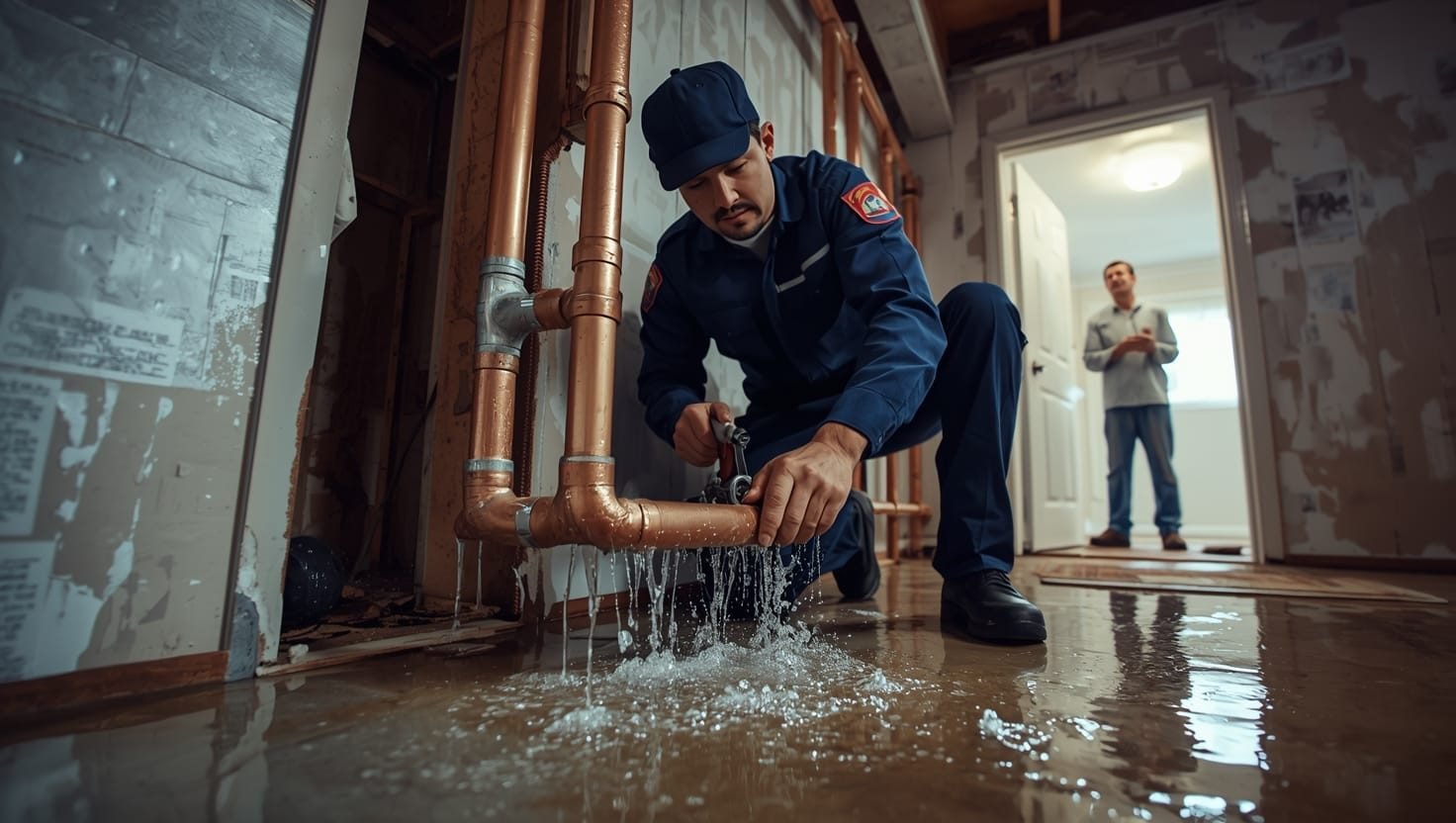
Cost Of Burst Pipe Repair: $0
- Wolfe McNeel
A Burst Pipe Just Cost You $12,000—And That’s If You’re Lucky
You’re at work. Your phone buzzes. A neighbor says water’s pouring out of your garage. Your stomach drops. By the time you get home, the drywall’s soaked, the flooring’s warped, and you’re staring at a bill that makes you want to sit down.
The cost of burst pipe repair isn’t just about fixing the pipe itself. It’s about everything that comes after—the water extraction, the mold that’ll show up in 48 hours, the structural damage, the insurance deductible you’ll have to fight about. A single burst pipe can spiral into tens of thousands of dollars in damage if you don’t act fast.
In Rochester, NY, homeowners are learning this the hard way. Walt Latuik’s team at JetDry has responded to hundreds of burst pipe emergencies—and they’ve seen the damage multiply when people wait even a few hours to call for help. The difference between a $500 repair and a $15,000 restoration often comes down to how quickly you respond.
Let’s break down what you’re actually looking at when a pipe bursts, what drives the cost of burst pipe repair, and how to protect yourself before it happens.
What Actually Happens When a Pipe Bursts?
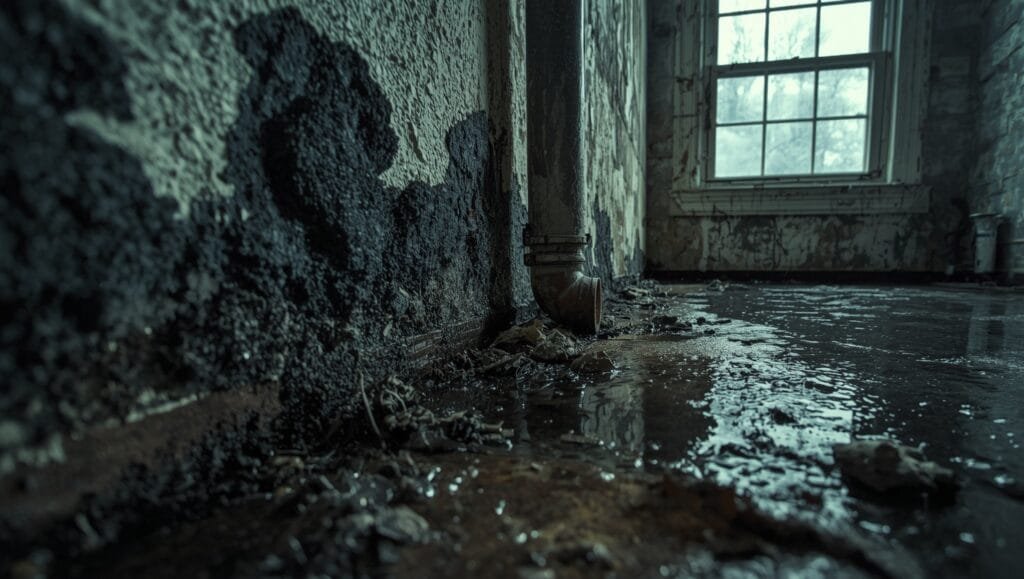
A burst pipe doesn’t just leak—it floods. Water sprays out at pressure, soaking walls, ceilings, insulation, and anything in its path. Depending on where the pipe is, you might not even notice until the damage is catastrophic.
Most burst pipes happen in winter when water freezes inside the line and expands, cracking the pipe from the inside out. But they also fail from corrosion, high water pressure, physical damage, or just age. PVC pipes last about 50 years. Copper lasts longer—sometimes 70 years—but both will eventually fail.
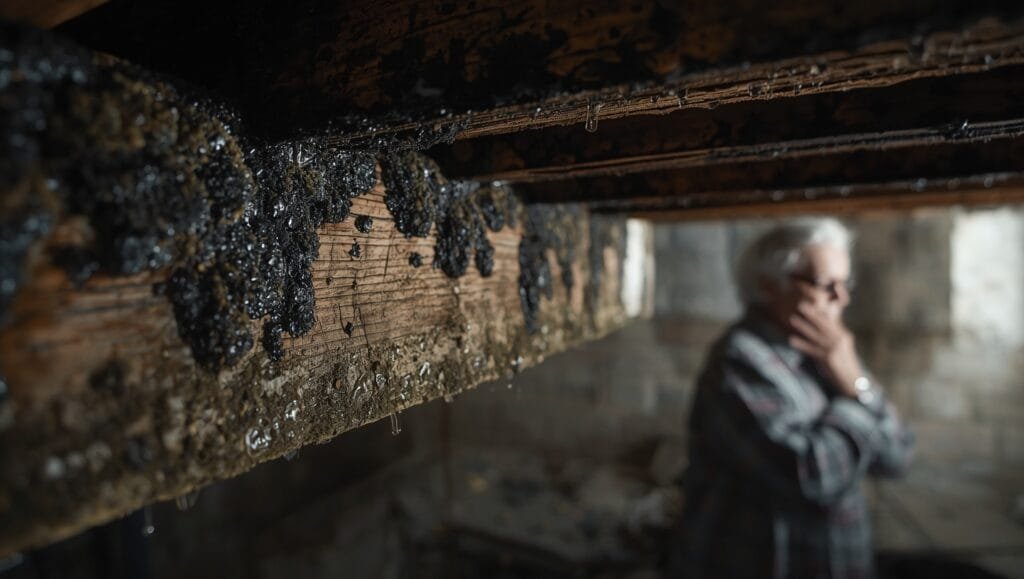
The problem is timing. A burst in your crawl space might go undetected for days. A burst in your walls? You won’t know until you see staining or smell mold. By then, water’s already soaked into the wood framing, drywall, and insulation behind the scenes.
Bottom line: Burst pipes flood fast and damage spreads before you even realize there’s a problem.
Breaking Down the Cost of Burst Pipe Repair
The cost of burst pipe repair starts with the pipe itself—usually $150 to $500 depending on location and pipe type. But that’s the smallest part of the equation.
Here’s what you’re really paying for:
Water extraction and cleanup: If water’s pooled on your floor or soaked into carpets, you need industrial extraction equipment. This runs $1,500 to $5,000 depending on volume and area affected.
Drying and dehumidification: After water’s removed, you need to dry everything out completely. Structural drying takes 3 to 7 days with commercial equipment. Expect $500 to $2,000 here.
Drywall replacement: Wet drywall can’t be saved. It has to come out. Replacing drywall in a 200-square-foot area runs $1,000 to $3,000.
Flooring repair or replacement: Hardwood, tile, or carpet soaked with water needs to be removed and replaced. Flooring costs are often the biggest shock—anywhere from $2,000 to $10,000 depending on the area and material.
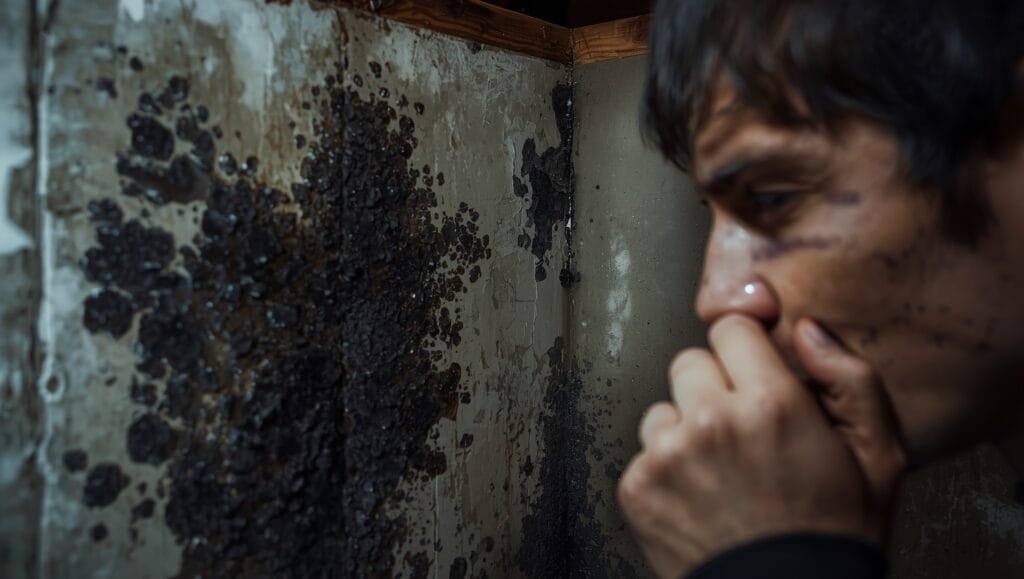
Mold remediation: This is where most people get blindsided. Mold starts growing in 24 to 48 hours. If you don’t catch it immediately, mold remediation can cost $2,000 to $6,000 or more depending on how much area needs treatment.
Structural repairs: If water’s been sitting in your walls or crawl space, you might have rotted wood, compromised framing, or foundation issues. Structural work gets expensive—$5,000 to $25,000+.
Add it all up and a single burst pipe can easily hit $12,000 to $30,000 in total damage.
Bottom line: The pipe repair itself is cheap; everything that comes after it is what destroys your wallet.
Where Burst Pipes Cause the Most Damage
Location matters. A burst pipe in your basement is bad. A burst pipe in your walls is worse. A burst pipe in your attic is a nightmare.
Basement and crawl space bursts: Water pools quickly and saturates the foundation. You’re looking at extraction, drying, potential mold in the foundation itself, and sometimes structural issues. Cost: $3,000 to $12,000.
Wall and ceiling bursts: These are deceptive. Water wicks up into the walls, soaking insulation and wood framing. You won’t see the full damage for days. By then, mold’s already colonizing inside the wall cavity. Cost: $5,000 to $15,000.
Attic bursts: Water drains down through the ceiling into the rooms below. You get ceiling damage, drywall replacement, flooring damage, and mold in the attic insulation. Cost: $7,000 to $20,000.
Kitchen or bathroom bursts: These often hit cabinetry, flooring, and subfloors. If the subfloor’s compromised, you’re replacing it. Cost: $4,000 to $10,000.
One homeowner in Rochester had a burst in a second-floor bathroom. Water ran down into the first-floor living room, soaked the hardwood floors, and seeped into the basement. Total damage: $18,500. The pipe repair was $300. Everything else was water mitigation and restoration.
Bottom line: Hidden pipes in walls and attics cause the most expensive damage because you don’t catch them fast enough.
The Hidden Costs Nobody Talks About
The obvious costs are bad enough. But there are sneaky expenses that pile on top.
Insurance deductibles: Most homeowner’s policies have a deductible—usually $500 to $1,000. You pay that out of pocket before insurance covers anything. And here’s the catch: if the burst was caused by lack of maintenance or freezing (which happens a lot in winter), your insurance might deny the claim entirely.
Temporary housing: If the damage is severe enough that you can’t stay in your house, you’re paying for a hotel or rental while repairs happen. That’s $100 to $300 a night for weeks. Adds up fast.
Lost time and stress: You’re taking time off work, coordinating contractors, dealing with insurance adjusters. That’s not a direct cost, but it’s real.
Secondary damage: Water that sits for too long causes problems you didn’t expect. Rust in HVAC systems, electrical issues, foundation cracks. You might not discover these until months later.
That’s why emergency water damage restoration is so critical. The faster you get professionals in, the more you prevent these hidden costs from happening.
Bottom line: Deductibles, temporary housing, and secondary damage can double your total repair bill.
What Your Insurance Actually Covers (And What It Doesn’t)
This is where things get messy. Insurance companies have very specific rules about what they’ll pay for when it comes to burst pipes.
What they usually cover: Sudden, accidental burst pipes. If the pipe fails without warning, you’re generally covered minus your deductible. The water damage restoration is usually covered too.
What they almost never cover: Burst pipes caused by freezing if you didn’t maintain adequate heat in the house. Burst pipes caused by corrosion or age. Burst pipes in uninsulated areas if you live in a cold climate. Any mold damage that develops after the initial water event (mold is considered a separate claim with its own exclusions).
Here’s the real problem: even when the burst is covered, the insurance company will often hire their own adjuster who underestimates the damage. They’ll say the drywall can be saved when it can’t. They’ll deny mold remediation costs because they claim the house was dried fast enough.
That’s why you need professionals on your side fast. Mold remediation services in Rochester work with insurance companies and know how to document damage properly so claims don’t get denied.
Bottom line: Insurance is unpredictable; get professional documentation before filing a claim.
Winter Burst Pipes—The Season of Expensive Mistakes
Winter is burst pipe season. Temperatures drop, water freezes inside pipes, pipes crack, and suddenly you’re dealing with the cost of burst pipe repair when it’s freezing outside and contractors are booked solid.
Frozen pipes are preventable. Insulate exposed pipes in crawl spaces and attics. Let faucets drip during freezing nights to keep water moving. Keep cabinet doors open under sinks so warm air reaches the pipes. Seal air leaks around windows and doors.
But most people don’t do any of this until it’s too late.
A burst in December isn’t just more expensive because of water damage—it’s more expensive because you’re competing with hundreds of other homeowners for the same contractors. Response times get longer. Mold has more time to grow while you’re waiting for help.
One Rochester homeowner had a burst on Christmas Eve. By the time a contractor could get to the house on December 26th, mold was already visible in the attic. What should’ve been a $3,000 job turned into $9,000 because of the delay.
Bottom line: Winter bursts cost more because response times are slower and damage compounds faster in cold, humid conditions.
DIY Repairs vs. Professional Help—What Costs More?
Some people try to save money by handling the initial cleanup themselves. That almost always backfires.
You might remove the water with a shop vac and a mop. But you won’t dry the walls, insulation, and subfloor underneath. That moisture stays trapped, and mold starts growing where you can’t see it. Three months later, you’re calling in professionals anyway—but now the damage is worse and the bill is higher.
Professional restoration uses industrial dehumidifiers, air movers, and moisture meters to dry everything completely. They remove wet materials that can’t be saved. They treat for mold before it starts. They document everything for insurance.
The cost difference? Doing it yourself and doing it wrong might save you $1,000 upfront but cost you $5,000 to $10,000 more down the road. Professional water damage cleanup done right the first time prevents secondary damage and mold problems.
Bottom line: Cutting corners on cleanup costs you more in the long run.
The Real Numbers: What You’ll Actually Pay
Let’s look at three real scenarios from Rochester homeowners:
Scenario 1: Fast response, minor damage
Burst in basement, caught within 2 hours. Professional extraction and drying within 6 hours. No mold. Minimal drywall replacement. Total cost: $2,800.
Scenario 2: Delayed response, moderate damage
Burst in first-floor wall, not discovered for 8 hours. Water soaked drywall and subfloor. Mold found during inspection. Professional restoration, drywall replacement, subfloor treatment. Total cost: $8,500.
Scenario 3: Very delayed response, severe damage
Burst in attic, not discovered for 3 days (homeowner was away). Water ran down into second floor, then first floor. Extensive mold in attic insulation and walls. Structural damage to framing. Complete restoration including framing repair, new insulation, new drywall, flooring replacement, mold remediation. Total cost: $27,000.
The difference between fast and slow response? $24,200. That’s what speed costs—or what delay costs.
Bottom line: Response time is the single biggest factor in total repair cost.
How to Protect Yourself Before a Burst Happens
Prevention is always cheaper than repair. Here’s what actually works:
Insulate pipes in vulnerable areas. Crawl spaces, attics, exterior walls, and basements are where pipes freeze. Foam pipe insulation costs $10 to $20 and takes 30 minutes to install. Do it before winter.
Install a water shut-off valve. Automatic water shut-off valves detect leaks and shut off water before major damage happens. Cost: $300 to $600. Saves thousands if a burst happens.
Know where your water main is. If a pipe bursts, you need to shut off water immediately. Don’t wait to figure this out during an emergency.
Have your plumbing inspected. If your house is older than 40 years and you haven’t had the pipes inspected, do it. A plumber can identify weak spots before they fail.
Keep your house at a consistent temperature. Don’t let the house drop below 55 degrees in winter, even if you’re away. Frozen pipes happen in unheated houses.
Let faucets drip during freezes. Moving water doesn’t freeze as easily as still water. A slow drip overnight can prevent a burst.
None of this costs much. A burst costs thousands.
Bottom line: $500 in prevention beats $15,000 in repairs every single time.
What Happens If You Don’t Act Fast
Here’s the cascade of events if you ignore a burst pipe or wait too long to call for help:
Hour 1-2: Water spreads, soaking materials. Drywall absorbs water. Insulation gets saturated. Flooring begins to warp.
Hour 6-12: Structural materials (wood framing, subfloors) are fully saturated. Mold spores begin germinating.
Hour 24: Visible mold growth starts in wet areas. Wood begins to rot. Drywall starts to fail structurally.
Day 3+: Mold colonizes extensively. Wood rot accelerates. Paint bubbles and peels. Electrical systems may be at risk. Odor becomes obvious.
Each day you wait, the cost of burst pipe repair multiplies. Water that could’ve been cleaned in 24 hours turns into a mold problem that takes weeks to remediate.
Bottom line: Every hour you delay doubles the cost and damage.
When to Call a Professional vs. a Basic Plumber
A plumber can fix the pipe. But they can’t handle the water damage that comes after.
You need both: a plumber to repair the pipe, and a water restoration company to handle the cleanup, drying, mold prevention, and structural assessment. That’s two calls, but it’s non-negotiable if you want to prevent secondary damage.
In Rochester, JetDry’s restoration services cover the full scope—water extraction, structural drying, mold remediation, and flooring restoration. They coordinate with your plumber and insurance adjuster so you’re not juggling three different contractors.
Bottom line: Pipe repair + water restoration = complete solution; pipe repair alone leaves you vulnerable.
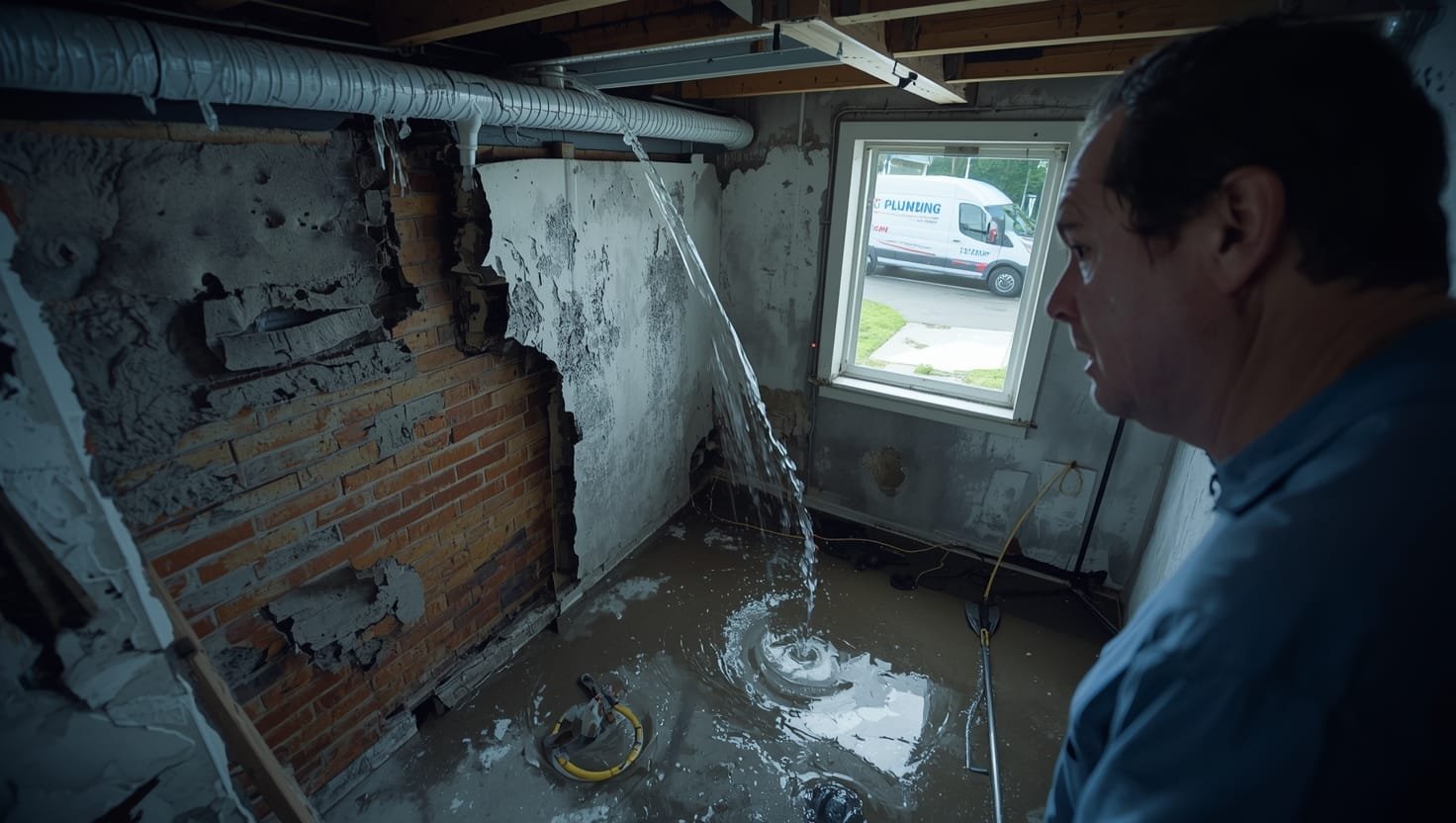
Your Burst Pipe Repair Bill Just Doubled—Here’s Why Most Homeowners Miss the Real Costs
You’ve seen the price tag for fixing the actual pipe. Maybe $300. Maybe $500 if it’s in a tough spot. You think you’re done.
Then the bills keep coming.
The cost of burst pipe repair isn’t a one-time hit. It’s a cascade. The pipe’s fixed, but now you’re paying for things you didn’t even know existed—things that add up faster than you can process. Structural damage. Hidden moisture in places you can’t see. Electrical work because water got into the panel. Permits. Contractor coordination. Insurance fights.
This is part two of our burst pipe breakdown. Part one covered the immediate costs. This one shows you what happens after—the sneaky expenses, the timeline traps, and how to avoid getting blindsided by a bill that makes the original repair look like pocket change.
The Secondary Damage Nobody Warns You About
A burst pipe floods. Water goes everywhere. You call someone, they fix the pipe, water gets extracted. Problem solved, right?
Not even close.
Water doesn’t just sit where it lands. It travels. It wicks into materials you can’t see. It settles into cavities. It soaks wood framing, electrical wiring, HVAC ducts, and insulation. Days pass. You think you’re in the clear. Then structural issues show up that weren’t visible during the initial cleanup.
One Rochester homeowner had a burst in their basement. The initial restoration cost $4,200. Three months later, they discovered the water had compromised the foundation’s concrete seal. Fixing that structural issue? Another $8,500. The water damage didn’t stop when the extraction crew left—it kept working, silently, for weeks.
This is why water damage assessment done by professionals matters. They use moisture meters and thermal imaging to find water hiding in places you can’t access. They document everything so you know what you’re dealing with before it becomes a bigger problem.
Bottom line: Water damage spreads invisibly; secondary damage costs double the initial repair.
Electrical and HVAC Damage—The Expensive Surprise
Water and electricity don’t mix. If water reaches your electrical panel, breaker box, or wiring, you’re not just looking at water damage—you’re looking at electrical work.
An electrician needs to inspect every outlet, switch, and wire in the affected area. They’ll test for shorts, ground faults, and corrosion. If water got into the panel itself, components need replacement. That’s $1,500 to $4,000 depending on what got wet and how bad the corrosion is.
Your HVAC system’s the same story. Water in the ductwork means the whole system needs inspection. If moisture’s trapped in the ducts, mold grows there—and then every time your system runs, it spreads mold spores through your house. Duct cleaning and treatment can run $800 to $2,000. If the unit itself is damaged, you’re replacing it—$3,000 to $8,000.
Most people don’t budget for this. They’re focused on the visible water damage, not the systems that were running behind the scenes when the burst happened.
Bottom line: Electrical and HVAC damage adds $2,000 to $6,000 you didn’t expect.
The Permit and Code Compliance Problem
Here’s something that catches people off guard: depending on where the burst happened and how extensive the damage is, you might need permits to do the repairs.
If drywall’s being replaced, structural framing’s being repaired, or electrical’s being touched—that’s permit territory. In Rochester, building permits cost money and require inspections. You’re adding $200 to $800 just for the permit itself, plus the cost of having inspectors come out.
And here’s the kicker: if you do the work without a permit and someone finds out later (like when you go to sell the house), you’re liable. You might have to redo the work, pay fines, or deal with insurance claiming the damage wasn’t properly remediated.
Professional restoration companies in Rochester know the permit requirements. They handle it. DIY or cutting corners? That’s how you end up paying twice.
Bottom line: Permits and code compliance add $500 to $1,500 to the total cost of burst pipe repair.
The Insurance Adjuster Game—And How It Costs You Money
Your insurance company sends an adjuster to assess the damage. That adjuster’s job isn’t to maximize your claim—it’s to minimize their payout.
They might say drywall can be dried and saved when it actually can’t. They’ll claim the water wasn’t as deep as it was. They’ll argue that mold remediation isn’t necessary because “the house was dried fast enough.” None of this is true, but they’re writing the report that your claim gets based on.
If you don’t have professional documentation—photos, moisture readings, structural assessments from a restoration company—you’re arguing with their report using nothing but your word. And you’ll lose.
That’s why having emergency water damage restoration done by professionals matters before you file a claim. They document everything. They take moisture readings. They photograph damage from multiple angles. They write reports that hold up against insurance company pushback.
One homeowner in Rochester had their claim initially valued at $6,500. With professional documentation from their restoration company, the claim was revised to $11,200. The difference? $4,700 that would’ve come out of their pocket.
Bottom line: Professional documentation can increase insurance payouts by $2,000 to $5,000+.
Temporary Relocation Costs—The Weeks-Long Bill
If the damage is severe, you can’t stay in your house. Water damage restoration takes time. Drying takes days. Mold remediation takes longer. Structural repairs take even longer.
You’re in a hotel. Or a rental. Or staying with family (which has its own costs if you’re buying food and gas). At $150 a night for a modest hotel, two weeks of relocation is $2,100. Three weeks? $3,150. A month? $4,500.
And that’s just the room. Add meals, gas, miscellaneous expenses—you’re easily hitting $5,000 to $8,000 for an extended displacement.
Some insurance policies cover relocation costs. Some don’t. Most homeowners don’t think about this until they’re already in the hotel lobby with nowhere else to go.
Bottom line: Temporary housing during restoration costs $3,000 to $8,000 for extended damage.
The Mold Remediation Timeline Trap
Mold starts growing in 24 to 48 hours. But here’s what most people don’t understand: the longer mold’s been growing, the more expensive it is to remediate.
Day 1 mold? $2,000 to $3,000 in remediation costs.
Day 5 mold? $4,000 to $6,000.
Day 10 mold? $6,000 to $10,000+.
The cost doesn’t just scale with time—it scales with the area affected. Mold spreads. It colonizes. It gets into HVAC ducts, crawl spaces, wall cavities. Each day you wait, it covers more square footage, gets deeper into materials, and becomes harder to fully remove.
And there’s another cost: if mold’s been growing for more than a week or two, you might need air quality testing to prove it’s been remediated. That’s another $300 to $600.
This is why speed matters so much. The mold remediation services that start within hours—not days—cost less and work better. They stop the problem before it becomes a nightmare.
Bottom line: Every day you delay mold remediation adds $500 to $1,000+ in additional costs.
Content Damage—What Gets Ruined and Can’t Be Fixed
We talk about structural damage and water damage to the house itself. But what about your stuff?
Furniture soaked with water gets destroyed. Drywall absorbs water and falls apart. Carpeting’s usually a total loss. Books, papers, documents—gone. Family photos that weren’t backed up? Gone. Electronics exposed to water? Corroded and useless.
Some homeowner’s policies cover content damage. Some don’t. And even when they do, there’s usually a limit. You might have $20,000 in content coverage but $30,000 in actual damage.
This isn’t technically part of the cost of burst pipe repair, but it’s part of the total financial hit. And it’s something people don’t think about until they’re sorting through ruined boxes in their basement.
Bottom line: Content damage often exceeds structural damage and might not be fully covered.
The Contractor Coordination Tax
A burst pipe repair involves multiple contractors. Plumber. Restoration company. Electrician. Potentially a structural contractor. Maybe a flooring specialist. Maybe a roofer if water got into the attic.
All these people need to be scheduled. They need to coordinate so they’re not working on top of each other. Someone needs to manage the timeline, make sure each phase is complete before the next one starts, and handle disputes when contractors disagree about what needs to be done.
If you’re doing this yourself, you’re spending 10 to 20 hours coordinating. If you’re hiring a project manager, you’re paying them—usually 10% to 15% of the total restoration cost.
That’s where a full-service restoration company like JetDry saves money. They’re not just doing the water extraction and drying—they’re managing the whole project. They coordinate with your plumber. They hire the electrician. They handle the mold remediation. One point of contact. One timeline. One company responsible if something goes wrong.
Sounds expensive? It’s actually cheaper than juggling contractors yourself and paying a project manager.
Bottom line: Coordination costs add $1,000 to $3,000; a full-service company prevents this.
The Waiting Game—How Delays Multiply Costs
Speed isn’t just about preventing mold. It’s about preventing every other problem from getting worse.
Day 1: Burst pipe, water flooding. You call for help immediately. Cost to fix: $8,000.
Day 2: You call for help. Mold’s started. Cost to fix: $12,000.
Day 3: You finally call. Mold’s visible. Structural materials are saturated. Cost to fix: $18,000.
Day 5: You’re dealing with insurance and contractors are booked. Cost to fix: $25,000.
The difference between calling immediately and waiting even one day can be $4,000 to $10,000. The difference between calling immediately and waiting three days? That’s $10,000 to $17,000 in extra costs.
And this isn’t theoretical. This is what happens in Rochester homes every winter. Someone goes out of town. A pipe bursts. They don’t notice for days. They come home to a disaster that costs three times what it would’ve cost if they’d been there.
Bottom line: Every day of delay adds $3,000 to $5,000 in costs; speed is the cheapest investment.
FAQ—Real Questions About Burst Pipe Repair Costs
How much does a burst pipe repair actually cost in Rochester?
The pipe itself costs $150 to $500 to repair. Total restoration including water extraction, drying, drywall, flooring, and mold treatment ranges from $3,000 to $30,000 depending on damage severity and how fast you respond.
Does homeowner’s insurance cover burst pipe repair?
Most policies cover sudden, accidental bursts. Burst pipes caused by freezing in an unheated house, corrosion, or lack of maintenance usually aren’t covered. Always check your specific policy and file claims with professional documentation.
What’s the most expensive part of burst pipe repair?
Flooring replacement and structural repairs are typically the biggest costs, ranging from $2,000 to $15,000 each. Mold remediation and temporary housing also add significant expenses.
How long does it take to repair a burst pipe and restore the damage?
The pipe repair itself takes hours. Full restoration including drying, drywall replacement, and mold treatment takes 7 to 14 days. Structural repairs can add weeks.
Can I do burst pipe repair myself to save money?
You can attempt the pipe repair, but water damage restoration requires professional equipment and expertise. DIY cleanup usually leads to hidden moisture and mold, costing $5,000 to $10,000 more later.
What happens if I don’t treat mold after a burst pipe?
Mold spreads exponentially. A small mold problem costs $2,000 to fix. Untreated mold can cost $6,000 to $15,000+ to remediate and can cause respiratory issues for your family.
Should I file an insurance claim for burst pipe damage?
Yes, if the burst is covered under your policy. Get professional documentation first—photos, moisture readings, damage assessments. This prevents insurance from underestimating your claim and denying parts of it.
Real-World Example: How One Burst Pipe Became a $22,000 Disaster
A Rochester homeowner left for a weekend trip in January. Temperature dropped to 15 degrees. A pipe in the attic froze and burst while they were gone.
They didn’t find out until Sunday evening. Water had been running for roughly 36 hours.
Here’s the breakdown of what they paid:
Pipe repair: $400
Water extraction and cleanup: $2,800
Structural drying (5 days): $1,500
Drywall replacement: $2,200
Attic insulation replacement: $1,800
Mold remediation: $4,500 (because it had 36 hours to colonize)
Ceiling repair in second floor: $1,800
Flooring restoration: $3,100
Hotel for 10 nights: $1,500
Electrical inspection and minor repairs: $900
Permits and inspections: $600
Total: $21,200
Insurance covered $16,000 after the deductible. Out of pocket: $5,200.
If they’d had an automatic water shut-off valve installed ($400), the water would’ve stopped flowing within minutes. Estimated total damage: $4,000 instead of $21,200.
That’s a $17,200 difference for a $400 investment.
Bottom line: Prevention costs $400; burst pipe repair costs $21,000+; the math is obvious.
What You Should Do Right Now to Protect Yourself
Don’t wait for a burst to happen. These steps take hours and cost under $1,000 combined. They’ll save you tens of thousands if a pipe fails.
Install an automatic water shut-off valve. This detects leaks and shuts off water supply automatically. Cost: $300 to $600. It’s the single best investment you can make.
Get a professional plumbing inspection. A plumber can identify weak spots in your system before they fail. Cost: $150 to $300. Worth every penny.
Insulate exposed pipes. Especially in attics, crawl spaces, and basements. Foam insulation costs $20 and takes 30 minutes per pipe. Do it before winter.
Install moisture detection devices. These alert you to water where it shouldn’t be. Cost: $50 to $150 per device. Place them in basements, crawl spaces, and near water heaters.
Document your home’s condition. Take photos and videos of all rooms, especially areas with pipes. If damage happens, you’ll have proof of the original condition for insurance claims.
Review your insurance policy. Know exactly what’s covered. Call your agent and ask about burst pipe coverage, mold coverage, and content coverage. Don’t find out during a claim that you’re not protected.
Bottom line: $500 in prevention beats $20,000 in emergency restoration.
When to Call a Professional vs. Trying to Handle It Yourself
Here’s the honest truth: if water’s involved, call a professional.
You might think you can mop up the water, use a shop vac, and call it done. You can’t. Water’s in places you can’t see. It’s in the subfloor, inside walls, in insulation. It’s going to cause mold, rot, and structural damage if you don’t dry it completely with professional equipment.
The cost difference? Doing it yourself and doing it wrong: $1,000 upfront, $8,000 in damage later. Professional restoration: $4,000 upfront, no damage later. You save money by calling professionals immediately.
And here’s the thing about water damage cleanup—it’s not just about removing water. It’s about documentation. Professional companies take photos, measurements, and moisture readings. They write reports. They coordinate with insurance. They handle permits. They manage contractors.
That’s worth the cost. That’s what prevents the cost of burst pipe repair from spiraling into $30,000.
Bottom line: Professional restoration saves $5,000 to $15,000 compared to DIY attempts.
The Bottom Line on Burst Pipe Repair Costs
A burst pipe itself costs $300 to $500 to fix. Everything else—the water damage, the restoration, the secondary damage, the coordination, the insurance fights—that’s what costs $8,000 to $30,000.
The difference between a $5,000 total cost and a $25,000 total cost comes down to three things: how fast you respond, how professional your cleanup is, and how well you document the damage.
Speed matters. Professional help matters. Documentation matters.
Ignore any of these and the cost of burst pipe repair becomes a financial disaster.
Walt Latuik and his team at JetDry have handled hundreds of burst pipes in Rochester. They’ve seen homeowners save thousands by calling fast and letting professionals handle the restoration. They’ve also seen homeowners lose thousands by trying to save money upfront and paying double later.
If you’re dealing with a burst pipe right now—or if you want to prevent one—don’t guess. Get professional help. Contact JetDry now for a fast assessment and expert restoration. They’re available 24/7 in Rochester and surrounding areas. The faster you act, the less you’ll pay.
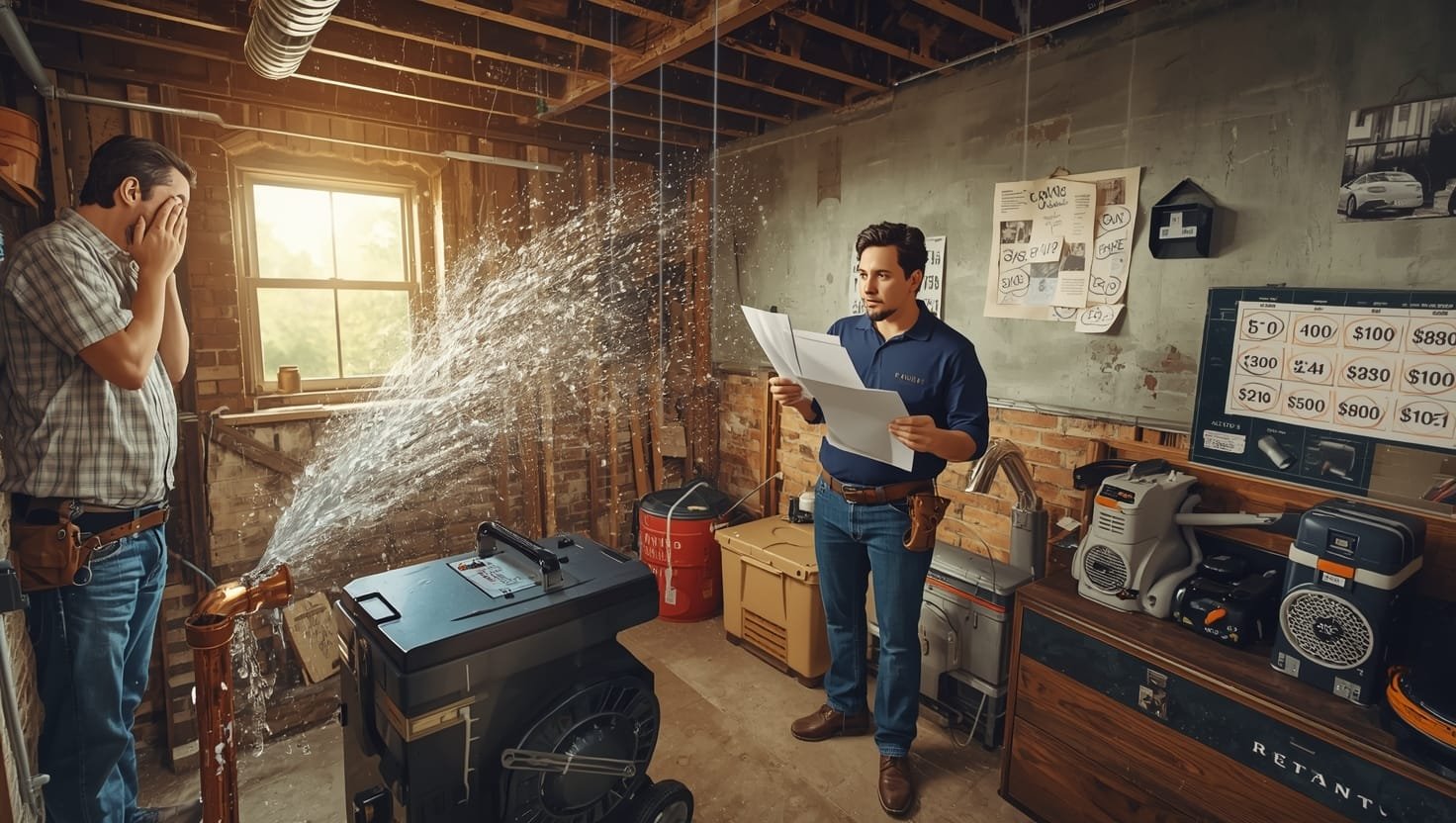
The Burst Pipe Repair Bill That Keeps Growing—Why You’ll Pay More Than You Think
You get the pipe fixed. You think you’re done. Then three weeks later, another bill shows up. Then another. The cost of burst pipe repair isn’t a single expense—it’s a series of invoices that keep arriving long after the water’s gone. And most homeowners have no idea what’s coming.
The real problem isn’t the pipe itself. It’s what happens after the plumber leaves. Hidden damage shows up. Structural issues emerge. Insurance denies parts of your claim. You’re stuck paying out of pocket for things you didn’t know existed.
This is where most people get blindsided. And it’s preventable if you know what to look for.
The Timeline Trap—Why Waiting Costs You Thousands
A burst pipe doesn’t just damage what you can see.
Water travels through your walls, under your floors, into your foundation. It sits there. It works. Days pass and you think the problem’s solved because the water extraction crew left and your insurance adjuster said everything looked fine.
Then rot sets in. Wood framing weakens. Concrete foundations develop cracks. Electrical systems corrode from the inside. These things don’t show up in the first week—they show up in the second or third.
One Rochester homeowner had a burst in their basement. The initial cleanup cost $3,200. Seemed reasonable. Six months later, they noticed the basement wall was bowing slightly. A structural engineer inspection revealed the water had compromised the foundation’s integrity. Fixing it cost $12,000.
That homeowner could’ve prevented the structural damage with professional water damage assessment on day one. A moisture meter would’ve shown water sitting in the concrete. Drying equipment would’ve been left in place longer. The structural damage never would’ve happened.
Bottom line: Water damage spreads invisibly for weeks; catch it early or pay double later.
The Flooring Nightmare—Why Replacement Costs More Than You Budget
You’ve got hardwood floors. Beautiful, expensive hardwood. A pipe bursts nearby and water soaks them for just a few hours.
You think they’ll dry out. They won’t. Hardwood expands when wet, warps, cups, and becomes structurally unsound. It has to come out. And here’s where it gets expensive: removing old flooring means you need to replace the subfloor underneath if it’s wet too. If the subfloor’s compromised, the new flooring won’t sit right and you’ll have movement and creaking for years.
So now you’re not just replacing flooring—you’re replacing subfloor, dealing with potential mold in the cavity underneath, and paying for disposal of the old materials.
Tile and grout? Same problem. Water gets under the tiles, sits in the subfloor, and causes the same issues. Carpet’s easier to replace but harder to dry properly—mold grows underneath if you don’t use industrial equipment.
The cost of burst pipe repair often gets blamed on the pipe. It’s actually blamed on the flooring. A 300-square-foot room with mid-range hardwood can run $4,000 to $8,000 to replace once you factor in subfloor and labor. Add mold remediation underneath and you’re looking at $10,000 to $15,000 total.
Bottom line: Flooring damage usually costs more than structural damage; prevention saves your biggest expense.
The Hidden Moisture Problem—What Professionals Find That You Miss
After a burst pipe, water gets extracted. The visible areas dry out. You feel like you’re in the clear.
But moisture’s still hiding. It’s in the insulation between walls. It’s in the cavity spaces behind drywall. It’s under baseboards and trim. It’s in places you can’t access without tearing things apart.
This hidden moisture is where mold grows. And mold doesn’t just grow in the first 48 hours—it grows silently for weeks if the moisture stays trapped. You won’t smell it. You won’t see it. Then one day you notice a musty odor or see dark spots on a wall, and suddenly you’ve got a full-blown mold problem.
Professional restoration companies use thermal imaging and moisture meters to find this hidden water. They leave dehumidifiers running for days—not hours—to pull moisture out of cavities you didn’t know existed. This costs more upfront but prevents the mold problem that costs 5x more to fix later.
One homeowner tried the DIY route after a basement burst. They used a shop vac and fans for two days, thought they were done. Three weeks later, they noticed mold in the crawl space. Full mold remediation services cost $7,000 because it had been growing in an unmonitored space.
Bottom line: Hidden moisture costs more to fix than visible water; professional drying prevents mold.
The Coordination Chaos—Who Pays When Contractors Disagree
You’ve got a plumber. You’ve got a restoration company. You’ve got an electrician. Maybe a structural contractor. Maybe a flooring specialist. They all need to work in sequence, but they disagree about what needs to be done.
The plumber says the drywall can dry out. The restoration company says it needs to come out. The electrician says there’s corrosion in the panel. The structural guy says the foundation’s fine. Who’s right? And who pays if they’re wrong?
This is where coordination falls apart. Contractors point fingers. Work gets redone. Timelines slip. And you’re stuck paying for the mess.
A project manager handles this—but hiring one costs 10% to 15% of your total restoration bill. That sounds expensive until you realize the lack of coordination is costing you 20% to 30% in duplicate work and delays.
Full-service restoration companies like JetDry handle this for you. They coordinate with your plumber. They hire the electrician. They manage the timeline. One point of contact. One company responsible if something goes wrong. That’s worth the cost because it prevents the chaos.
Bottom line: Contractor coordination costs money; having one company manage it saves time and prevents disputes.
The Insurance Claim Revision—Why Your First Estimate Is Too Low
Your insurance adjuster comes out, walks around, takes some photos, and gives you an estimate. You feel relieved. The number’s lower than you expected.
Then the restoration company does their assessment and finds damage the adjuster missed. The estimate needs to be revised. Insurance fights the revision. You end up in the middle, trying to prove the damage is real.
This happens because insurance adjusters aren’t water damage specialists. They’re trained to estimate claims quickly, not to find all the hidden damage. They miss things. Mold that hasn’t fully visible yet. Wood rot in early stages. Structural issues that need a specialist to identify.
When you file a claim with professional documentation from a restoration company, the initial estimate gets revised upward. Not downward. One homeowner in Rochester had their claim revised from $8,500 to $14,200 because the restoration company found structural damage the adjuster missed.
That’s the difference between professional assessment and a quick walk-through. And it’s why getting professionals in before filing your claim matters.
Bottom line: Professional assessment increases insurance payouts; adjuster estimates are usually too low.
The Temporary Housing Trap—How Long Is This Really Going to Take?
You think restoration takes a week. Maybe two. You book a hotel for seven nights.
Then drying takes longer than expected because the water was deeper than anyone thought. Mold shows up and needs remediation—that adds another week. Structural repairs push everything back. Now you’re on day 14 and you’re still in the hotel.
At $120 to $200 per night, two weeks becomes $1,680 to $2,800. Three weeks becomes $2,520 to $4,200. A month? You’re looking at $3,600 to $6,000 just for the room, not including meals and gas.
Some insurance policies cap temporary housing coverage at $1,500 to $2,000. Anything beyond that comes out of your pocket. And most homeowners don’t realize this until they’re already in the hotel and the restoration’s taking longer than planned.
Bottom line: Temporary housing costs $100–$200 daily; extended stays drain savings fast.
The Permit and Inspection Shuffle—Why You Can’t Skip This Step
Depending on what got damaged and what needs to be repaired, you might need permits. Building permits. Electrical permits. Plumbing permits.
Each permit costs money. Each permit requires an inspection. Each inspection takes time and has to be scheduled around contractor availability.
In Rochester, a building permit for water damage restoration runs $200 to $600. An electrical permit is another $150 to $300. Plumbing’s another $100 to $200. That’s $450 to $1,100 just in permits before the inspectors even show up.
And here’s the kicker: if you don’t get permits and someone finds out later—like when you sell the house—you’re liable. You might have to redo the work to code, pay fines, or deal with insurance denying coverage because the repairs weren’t permitted.
Professional restoration companies know the permit requirements. They handle it. They budget for it. They factor it into the timeline. DIY or cutting corners? You’re taking a risk that costs way more than the permit itself.
Bottom line: Permits add $500–$1,100 and are non-negotiable; skip them and face bigger problems.
The Secondary Damage Surprise—What Shows Up Weeks Later
The pipe’s fixed. The water’s gone. Everything’s been cleaned and dried. You’re moving back in.
Then you notice the paint’s bubbling in a corner. There’s a soft spot in the floor. The drywall feels spongy. These are signs that water’s still present somewhere, or structural materials are failing from water exposure that happened weeks ago.
Secondary damage is damage that develops after the initial event because the primary problem wasn’t fully addressed. A wall cavity that wasn’t dried completely develops mold. A subfloor that absorbed water starts rotting. Electrical components that were wet begin corroding and fail.
Catching secondary damage early means a $500 to $1,000 repair. Missing it and discovering it months later means a $3,000 to $5,000 repair. And if you’re past your insurance claim window, you’re paying for it yourself.
This is why ongoing monitoring matters. Professional restoration companies schedule follow-up inspections. They check moisture levels weeks after the initial drying. They catch secondary damage before it becomes a major problem.
Bottom line: Secondary damage costs $3,000–$5,000 if missed; early detection prevents this entirely.
The Mold Remediation Escalation—Why Waiting Doubles the Cost
Mold starts growing in 48 hours. But the cost to remediate it doesn’t scale linearly with time.
Day 2 mold: $2,500 to $3,500 to remediate. It’s localized. It’s visible. Treatment’s straightforward.
Day 7 mold: $4,500 to $6,500 to remediate. It’s spread into multiple areas. It’s in materials that need to be removed. Treatment’s more complex.
Day 14 mold: $7,000 to $10,000+ to remediate. It’s colonized extensively. It’s in HVAC ducts. It’s in crawl spaces. It requires professional containment and full remediation.
The cost doesn’t just double—it triples or quadruples because mold spreads exponentially and gets into places that are harder to treat. Plus, if it’s been growing for more than two weeks, you might need air quality testing and clearance testing before you can move back in. That’s another $300 to $600.
Speed matters here. A burst pipe that’s caught and dried within 24 hours prevents mold entirely. A burst pipe that’s caught on day 3 costs thousands in mold remediation. The difference in the cost of burst pipe repair is entirely based on how fast you respond.
Bottom line: Mold cost triples weekly; fast response is the cheapest insurance against expensive remediation.
Real Numbers—What Actually Happened in Three Rochester Homes
Home 1: Fast response, smart decisions
Burst in basement, discovered within 1 hour. Professional water extraction and drying equipment deployed same day. Moisture monitored for 5 days. No mold. Minimal drywall replacement needed. Insurance covered 80% after deductible. Total cost: $4,200. Out of pocket: $840.
Home 2: Moderate delay, insurance complications
Burst in kitchen, discovered after 6 hours. Professional restoration called but adjuster delayed inspection 2 days. Mold visible by day 5. Kitchen cabinets had to be replaced. Subfloor damage required replacement. Insurance initially denied mold remediation claim but revised after professional documentation provided. Total cost: $11,800. Out of pocket: $3,200 (insurance covered 73%).
Home 3: Long delay, everything goes wrong
Burst in second-floor bathroom while homeowner was away for 3 days. Water ran down into first floor. Structural damage to framing. Extensive mold in attic and walls. Temporary housing required for 4 weeks. Foundation damage discovered during restoration. Complete remediation including framing repair, new drywall, flooring replacement, mold remediation, temporary housing. Insurance covered $22,000. Out of pocket: $8,500. Total damage: $30,500.
The difference between home 1 and home 3? One day of delay and one missing professional assessment. That’s a $26,300 difference.
FAQ—Quick Answers to Common Questions
What’s the most expensive part of burst pipe repair?
Flooring replacement and structural repairs are typically the biggest costs, ranging $2,000 to $15,000 each depending on damage extent and materials involved.
How long does water damage restoration actually take?
Initial water extraction takes 24 hours, structural drying takes 5 to 7 days, and full restoration including mold treatment and repairs takes 2 to 4 weeks depending on damage severity.
Will insurance cover all my burst pipe repair costs?
Most policies cover sudden bursts minus your deductible, but they often underestimate damage and deny secondary costs like mold remediation; professional documentation increases payouts by 20% to 40%.
Can I speed up the restoration process?
Yes—professional restoration companies deploy multiple drying units simultaneously, monitor moisture continuously, and coordinate contractors efficiently to cut timelines by 30% to 50%.
What happens if mold develops after the initial restoration?
Secondary mold is usually not covered by your original water damage claim and requires a separate mold remediation claim, which is why preventing mold through proper drying is critical.
Should I get a second opinion on structural damage?
Yes—structural issues directly impact long-term safety and resale value; a second opinion from a structural engineer costs $300 to $500 and prevents costly mistakes.
Why Do Contractors Give Different Estimates?
Different contractors assess damage differently based on experience and risk tolerance. A plumber might say drywall can dry out. A restoration specialist knows it can’t. Get assessments from specialists in each field, not just one contractor.
The Bottom Line on Burst Pipe Repair Costs Growing
The cost of burst pipe repair isn’t fixed. It’s a variable that changes based on response time, professional assessment quality, and how well secondary damage is prevented.
The pipe repair costs $300 to $500. Everything after that—water extraction, drying, flooring, structural repairs, mold remediation, temporary housing, permits—costs $3,000 to $30,000 depending on how fast you respond and how professional your cleanup is.
The homeowners who spend the most are the ones who wait. The ones who use DIY cleanup. The ones who skip professional assessment. The ones who don’t coordinate contractors properly.
The homeowners who spend the least are the ones who call professionals immediately, get comprehensive assessment done on day one, and let experts manage the entire restoration process.
Walt Latuik and his team at JetDry have been handling burst pipe emergencies in Rochester for over 20 years. They’ve seen the difference between fast response and delayed response. They’ve watched homeowners save thousands by acting immediately and lose thousands by waiting.
If you’re dealing with a burst pipe right now—or if you want to prevent one—don’t guess about costs. Don’t try to handle it yourself. Get professional emergency water damage restoration immediately. The cost of burst pipe repair is directly tied to how fast you respond. Speed is the cheapest investment you can make.
Contact JetDry now for 24/7 emergency response in Rochester and surrounding areas. They’ll assess the damage, document everything for insurance, coordinate all contractors, and manage the entire restoration process. One call. One company. One timeline. No surprises.