1163 Spencerport Road

Rochestor, NY 14606

(585) 820-6324

Call 24/7

24/7

Emergency Response

Jet Dry Cleaning & Restoration

water heater flooded basement: Flooded basement with standing water around leaking water heater, showcasing emergency cleanup hacks to prevent costly damage
Blog Sidebar Form

Water Heater Flooded Basement? 3 Hacks To Save Big

Water Heater Flooded Basement: Your Emergency Survival Guide

Your water heater just turned your basement into a swimming pool. Great.Water heater failures can unleash catastrophic damage faster than you think. In less than 60 minutes, a burst water heater can release 20-50 gallons of water, transforming your basement from a dry storage space into a potential mold breeding ground. Rochester homeowners face this nightmare more often than they’d like — and the repair costs can skyrocket from $500 to over $10,000 if not handled quickly.

Understanding Water Heater Basement Floods: The Immediate Risks

When your water heater decides to go rogue, you’re looking at multiple potential disasters:

  • Structural damage to walls and floors
  • Electrical system compromise
  • Potential mold growth within 24-48 hours
  • Destruction of personal belongings and stored items
  • Potential foundation weakening

Bottom line: Water heater floods are emergencies that demand immediate, strategic action.

First 60 Minutes: Your Immediate Action Plan

Here’s what you need to do the moment you discover your water heater has flooded your basement:

  1. Shut off the main water supply immediately
  2. Turn off electricity to the basement (safety first!)
  3. Remove valuable or electronic items from the water
  4. Start removing standing water if possible
  5. Call professional water damage experts

Pro tip: Don’t try to be a hero. Water and electricity are a dangerous combo, and your safety trumps everything.

Bottom line: Quick action can prevent thousands in potential damage.

Why Water Heaters Fail: The Hidden Warning Signs

Most homeowners miss the red flags before a catastrophic water heater failure. Common culprits include:

  • Sediment buildup in the tank
  • Corrosion of tank walls
  • Excessive water pressure
  • Age of the water heater (10+ years)
  • Lack of regular maintenance

One Rochester homeowner, Mark T., learned this the hard way. His 15-year-old water heater burst while he was on vacation, causing $8,500 in damage. “I wish I’d known the warning signs,” he told us.

Bottom line: Regular inspection can prevent unexpected water heater disasters.

Assessing the Damage: What You’re Really Dealing With

Water heater floods aren’t just about wet floors. You’re potentially looking at:

  • Hidden moisture in wall cavities
  • Potential electrical system damage
  • Risk of mold and mildew growth
  • Potential foundation issues
  • Compromised insulation

Walt Latuik, JetDry’s CEO, has seen countless basement floods. “Most homeowners underestimate the complexity of water damage,” he explains. “It’s not just about drying — it’s about comprehensive restoration.”

Bottom line: Water damage is complex and requires professional assessment.

Stay tuned for part 2 of our comprehensive water heater flood survival guide.

Walt and his team have saved homes like yours for over 20 years. If you’re dealing with water damage—don’t wait. Contact JetDry now and get help fast.
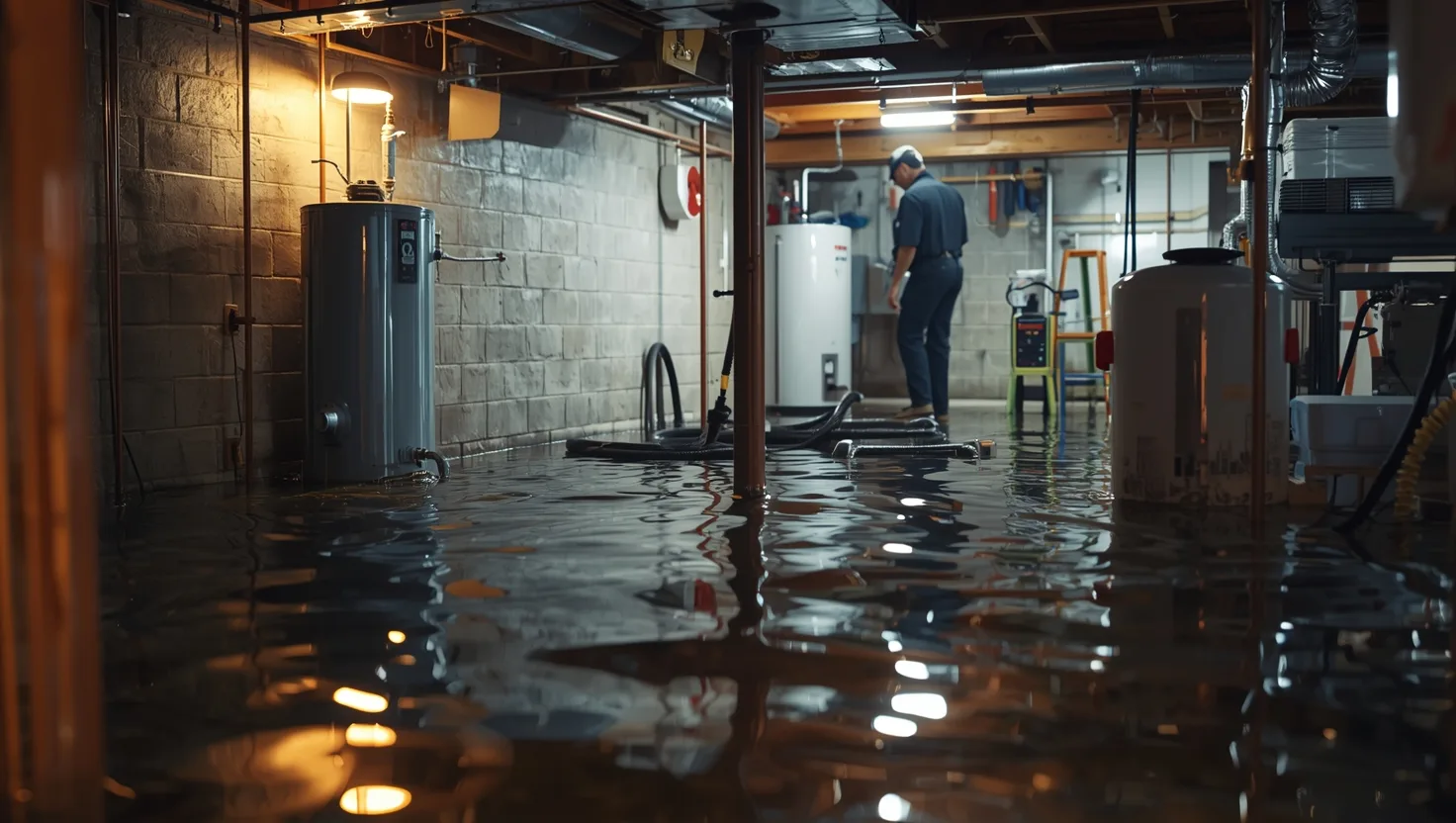
water heater Flooded basement with damaged water heater, standing water, and cleanup equipment showing emergency restoration after a water heater failure

Water Heater Flood Recovery: Your Comprehensive Survival Guide

Your basement looks like a swimming pool. Now what?

Water heater floods aren’t just about wet floors — they’re potential financial nightmares waiting to happen. Rochester homeowners face unique challenges when water damage strikes, and the difference between a $500 fix and a $10,000 disaster often comes down to your next moves.

Professional Water Damage Restoration: Why DIY Isn’t an Option

Think you can handle this yourself? Think again. Water damage is like a silent predator — lurking in walls, under floors, waiting to cause massive destruction.

  • Hidden moisture creates perfect mold breeding grounds
  • Electrical systems can short-circuit unexpectedly
  • Structural integrity becomes compromised quickly
  • Insurance claims require professional documentation

One Rochester homeowner, Sarah K., tried DIY water removal and ended up with $15,000 in additional damage. Her mistake? Not understanding moisture’s deep penetration.

Bottom line: Professional restoration isn’t a luxury — it’s a financial protection strategy.

Insurance Navigation: Protecting Your Wallet

Water heater floods can be insurance claim minefields. Here’s what most homeowners don’t know:

  • Document EVERYTHING with photos and videos
  • Call your insurance immediately
  • Get professional assessment documentation
  • Don’t admit fault or make verbal statements

Pro tip: Most standard homeowners insurance covers sudden water damage — but not gradual deterioration. That’s why professional documentation matters.

Bottom line: Proper documentation can save you thousands in denied claims.

Long-Term Prevention Strategies

After surviving this water heater nightmare, here’s how to prevent future disasters:

  • Install water leak detection systems
  • Schedule annual water heater maintenance
  • Replace water heaters every 8-10 years
  • Monitor water pressure regularly

Walt Latuik recommends, “Treat your water heater like a critical home system. Regular check-ups prevent catastrophic failures.”

Bottom line: Prevention is cheaper than restoration.

Mold: The Silent Threat After Water Damage

Water heater floods create perfect mold conditions. Here’s what you’re up against:

  • Mold can grow within 24-48 hours
  • Spores spread through air circulation
  • Health risks include respiratory issues
  • Toxic black mold is a serious concern

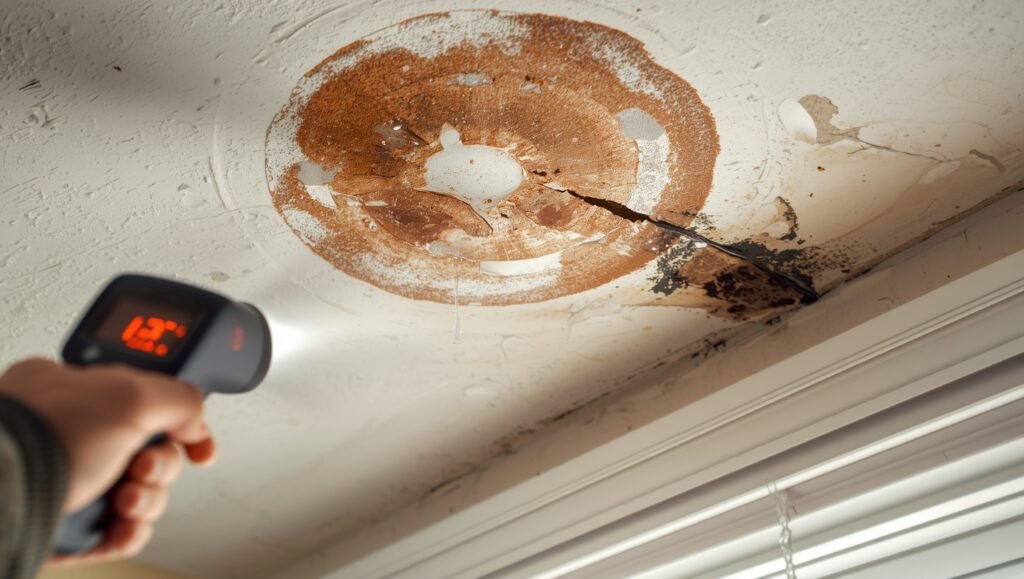
JetDry’s mold specialists use advanced infrared technology to detect hidden moisture zones — preventing future growth.

Bottom line: Mold isn’t just gross — it’s dangerous.

FAQ: Water Heater Flood Recovery

How quickly should I act after a water heater flood?

Immediate action is critical. Call professionals within 24 hours to minimize damage and prevent mold growth.

Will my insurance cover water heater flood damage?

Most policies cover sudden, accidental water damage. Professional documentation increases claim success.

How much does water damage restoration cost?

Costs range from $500 to $10,000, depending on damage extent and quick response.

Rochester’s trusted restoration experts are standing by. JetDry’s 24/7 emergency team will save your home. Don’t wait — water damage won’t.

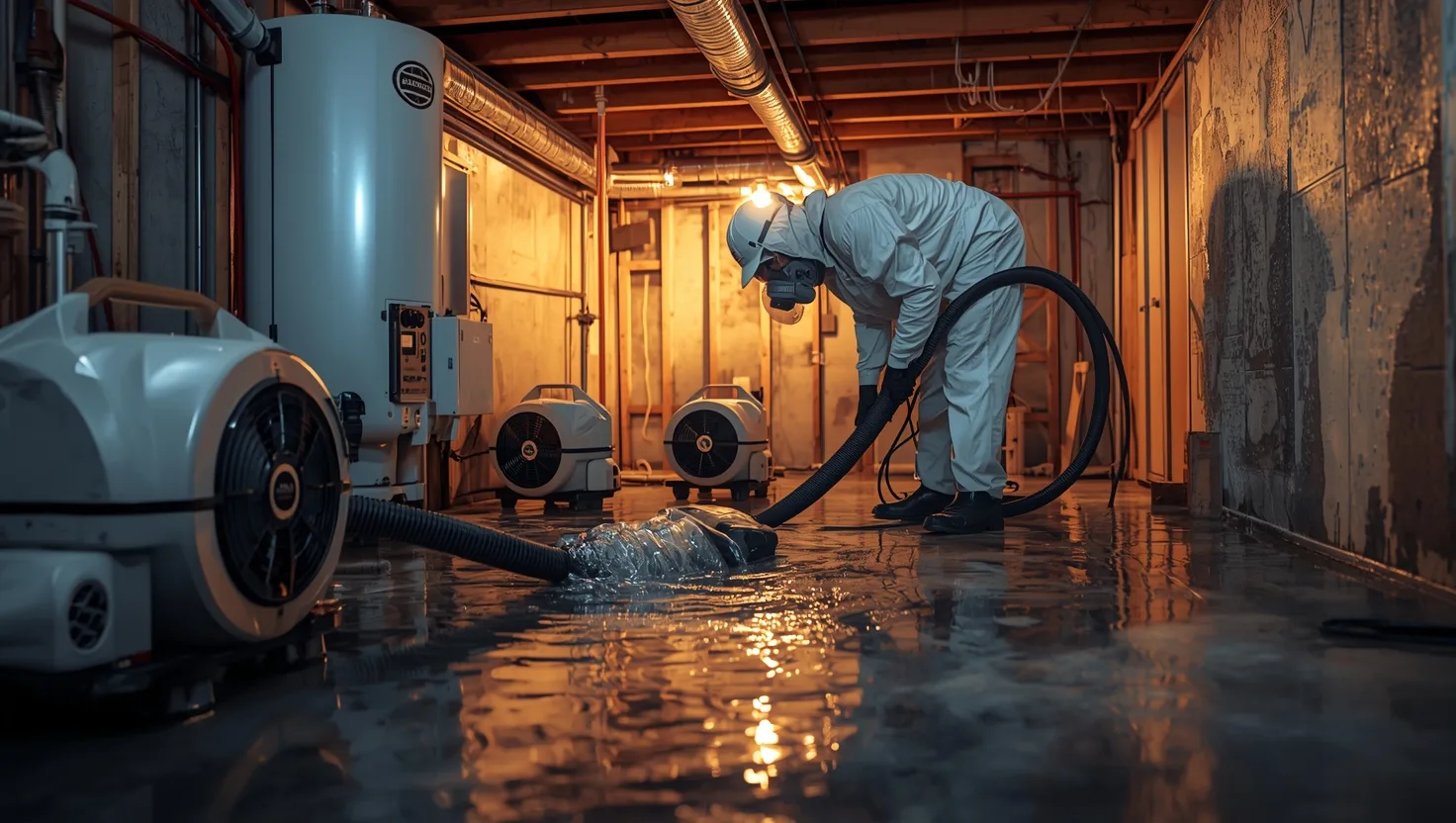
water heater Flooded basement with water heater damage in Rochester home, showing professional restoration equipment drying affected areas

Advanced Water Damage Recovery: Protecting Your Rochester Home’s Future

Your basement flooded. The nightmare’s just beginning.

Water damage isn’t just about wet floors — it’s a ticking time bomb that can destroy your home’s structural integrity, health, and financial stability. Rochester homeowners face unique challenges when water invades their living spaces, and the difference between a quick recovery and total disaster often comes down to strategic, immediate action.

Advanced Moisture Detection: The Technology That Saves Homes

Most homeowners think a towel and a fan can solve water damage. Big mistake.

  • Infrared thermal imaging reveals hidden moisture zones
  • Moisture meters detect water trapped behind walls
  • Advanced hygrometers measure humidity levels precisely
  • Specialized drying equipment prevents secondary damage

One Rochester homeowner, Mike D., thought he’d dried his basement after a water heater leak. Three months later, toxic black mold consumed an entire wall. “I wish I’d known about professional moisture detection,” he told us.

Bottom line: Invisible moisture is your home’s silent destroyer.

Structural Integrity Assessment: What Your Walls Are Really Telling You

Water doesn’t just wet surfaces — it compromises your entire home’s foundation.

  • Concrete becomes porous and weakens
  • Wood framing starts rotting within 48-72 hours
  • Electrical systems risk complete failure
  • Foundation shifts and cracks develop

Walt Latuik’s team uses advanced structural assessment techniques that go beyond surface-level inspections. “We’re not just cleaning — we’re forensically analyzing potential long-term damage,” he explains.

Bottom line: Structural damage starts microscopic but ends catastrophically.

Advanced Remediation Techniques: Beyond Basic Water Removal

Professional water damage restoration isn’t a simple cleanup — it’s a complex scientific process.

  • Negative air pressure systems prevent cross-contamination
  • Antimicrobial treatments stop mold before it starts
  • Industrial-grade dehumidifiers extract microscopic moisture
  • Specialized cleaning agents neutralize potential bacterial growth

JetDry uses cutting-edge technology that most Rochester cleanup companies can’t match. Their emergency water damage restoration isn’t just a service — it’s a comprehensive home protection strategy.

Bottom line: Professional restoration is an investment, not an expense.

Financial Protection: Navigating Insurance and Restoration Costs

Water damage can bankrupt unprepared homeowners.

  • Average water damage claim: $11,000
  • Potential mold remediation costs: $5,000-$30,000
  • Structural repair expenses can exceed $50,000
  • Insurance coverage depends on immediate action

Pro tip: Document EVERYTHING. Take photos, videos, and keep detailed records of all damage and restoration efforts.

Bottom line: Proper documentation can save you thousands in potential losses.

FAQ: Water Damage Recovery Insights

How quickly can mold grow after water damage?

Mold can start growing within 24-48 hours in moist environments. Immediate professional intervention is crucial.

What’s the most common mistake homeowners make?

Attempting DIY water removal without understanding moisture’s deep penetration and potential long-term damage.

How do I prevent future water heater failures?

Schedule annual maintenance, monitor water pressure, and replace units every 8-10 years.

Walt and his team have saved Rochester homes for over 20 years. Water damage won’t wait — and neither should you. Contact JetDry now and protect your home’s future.