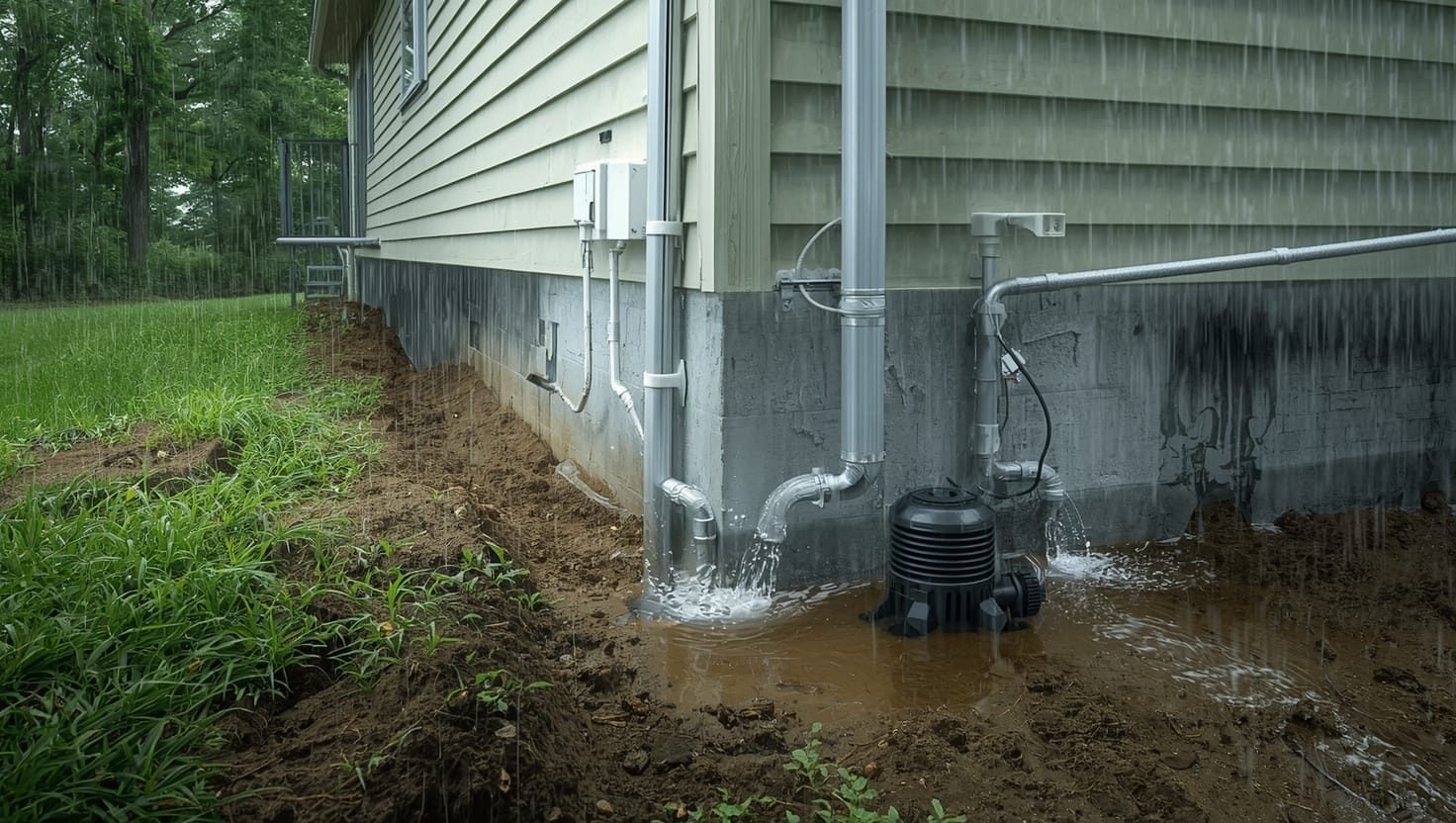
How To Prevent Basement Flooding During Heavy Rain (Works Fast)
- Wolfe McNeel
$47,000 in Water Damage—Because One Heavy Rain Caught Them Off Guard
You’re lying in bed on a Thursday night when you hear it: that sound of water rushing where water shouldn’t be.
By Friday morning, your basement is soaked. The carpet’s ruined. The drywall’s swollen. And you’re staring at repair estimates that make your stomach drop.
This isn’t a worst-case scenario—it’s what happens to thousands of homeowners every year when heavy rain hits and their basements aren’t protected. The good news? You don’t have to be one of them.
Learning how to prevent basement flooding during heavy rain is one of the smartest investments you can make in your property. It’s not complicated, it’s not expensive compared to fixing water damage, and it works.
This guide breaks down exactly what you need to do—before the storm hits.
Why Basements Flood When It Rains Hard
Basements flood for one reason: water finds its way in faster than it can drain out.
That’s it. No mystery. No bad luck.
When heavy rain pounds your property, water pools around your foundation. Your gutters overflow. Your downspouts dump water right next to your walls. Your sump pump gets overwhelmed—or worse, it’s not even there. Cracks in the foundation, poor grading, clogged perimeter drains—they all turn into open doors for water.
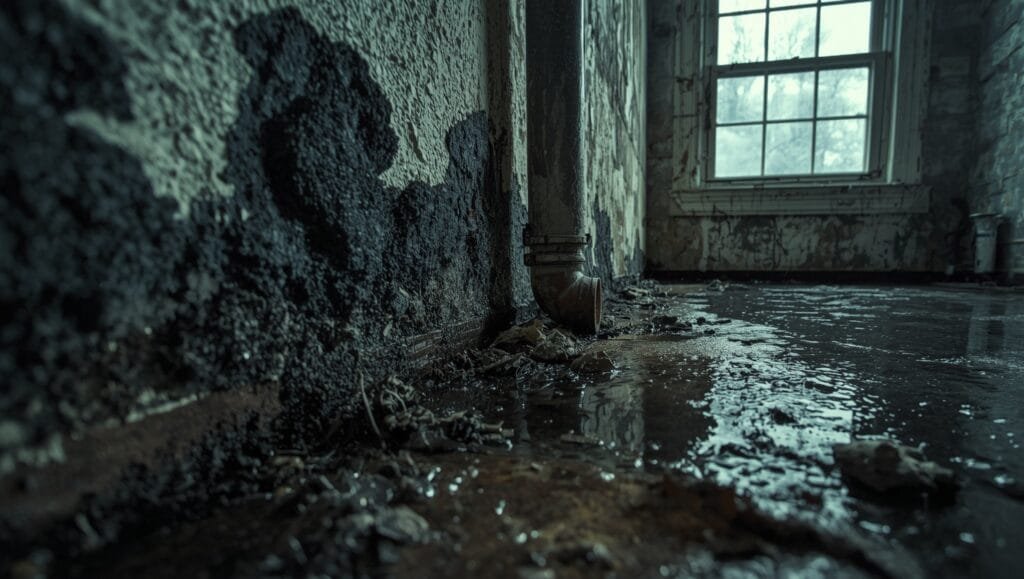
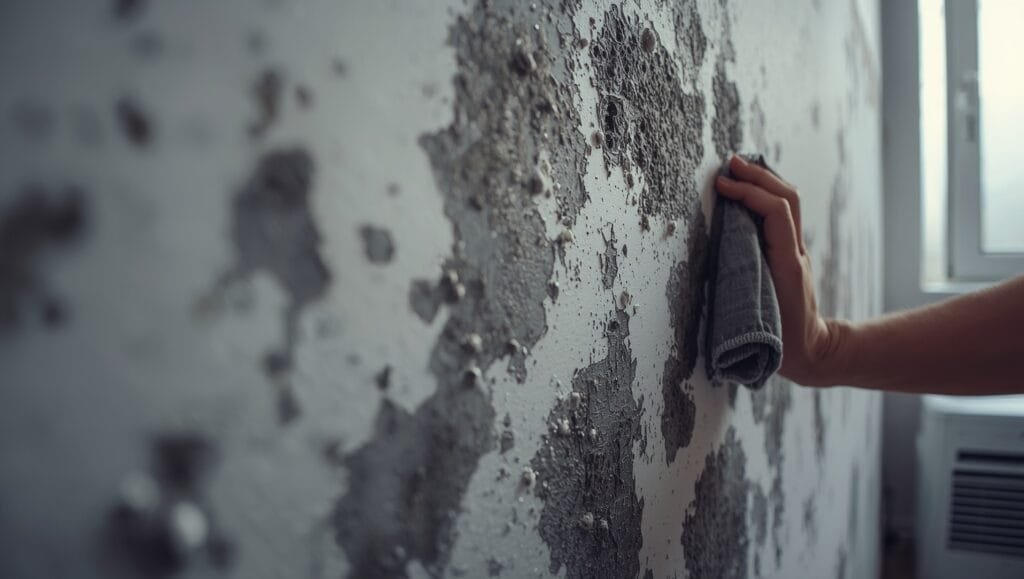
And once water gets in, it doesn’t stop at your basement. It spreads to walls, crawl spaces, and appliances. Mold can show up in as little as 48 hours. Structural damage follows. Your whole property starts falling apart.
The cost? Anywhere from $5,000 to $50,000+ depending on how bad it gets.
Bottom line: Basement flooding happens when water pressure exceeds drainage capacity—and it’s completely preventable with the right setup.
Step 1: Fix Your Grading and Slope
This is where most people mess up.
Your foundation should be higher than the ground around it. Soil should slope away from your walls—at least 6 inches of drop over the first 10 feet. If your yard slopes toward your house instead of away from it, water’s going to pool right against your foundation every time it rains.
Check this yourself: walk around your house after a light rain and see where water pools. If it’s near your foundation, you’ve got a grading problem.
The fix is straightforward: add soil or mulch along your perimeter to create that slope. It’s not glamorous work, but it’s cheap and it works. You’re literally directing water away from where you don’t want it.
One Rochester homeowner spent a Saturday morning resloping her yard—cost her about $300 in materials. Three years later, zero basement water. The alternative? She was looking at $25,000 in foundation repairs if water had kept seeping in.
Bottom line: Proper slope around your foundation is your first line of defense against water intrusion.
Step 2: Clean and Extend Your Gutters and Downspouts
Gutters are supposed to catch water from your roof and move it away from your house.
If they’re clogged, they fail. If your downspouts dump water right next to your foundation, they fail. Both of these problems lead straight to basement flooding.
Here’s what you need to do:
- Clean your gutters twice a year—spring and fall. Leaves, debris, and buildup block water flow.
- Make sure downspouts extend at least 4–6 feet away from your foundation. Use extensions or elbows to direct water toward your yard, not toward your walls.
- Check for leaks or separation in your gutter seams. Water should flow smoothly, not drip along your foundation.
- During heavy rain, watch your downspouts. If water’s overflowing or backing up, you’ve got a clog or a sizing problem.
This is preventive work that costs almost nothing and takes a couple of hours. You can do it yourself or hire someone for $150–$300.
Compare that to the cost of water damage restoration, and suddenly cleaning gutters looks like the best money you’ll ever spend.
Bottom line: Functioning gutters and extended downspouts move water away before it ever touches your foundation.
Step 3: Install or Upgrade Your Sump Pump System
A sump pump is your second line of defense.
If water does get into your basement—and with heavy rain, some seepage is almost inevitable—a sump pump catches it in a pit and pumps it out before it spreads. Without one, water sits and pools. With one, it’s gone.
Here’s what matters:
- Size matters: Your pump needs to handle the volume of water your basement receives. A 1/3 HP pump works for light seepage. Heavy rain and poor drainage? You need 1/2 HP or higher.
- Backup power is non-negotiable: If your power goes out during a storm (which happens), your pump stops working. A battery backup or generator keeps it running. This is the difference between a dry basement and a flooded one.
- Regular testing: Pour water into your pit and watch the pump activate. If it doesn’t turn on, you’ve got a problem before the storm hits.
- Discharge line placement: Your pump’s discharge should go away from your foundation, ideally to a storm drain or at least 10 feet out into your yard.
A new sump pump system runs $800–$2,000 installed. A battery backup adds another $300–$500. During heavy rain, when your neighbors’ basements are flooding, you’re staying dry.
One homeowner in the Rochester area installed a backup-powered sump pump in 2022. When a major storm hit in 2024, his pump ran for 14 hours straight—and his basement stayed bone dry. His neighbor? Three feet of water and $40,000 in repairs.
Bottom line: A sump pump with battery backup is your insurance policy against water intrusion.
Step 4: Seal Cracks and Weak Points in Your Foundation
Water finds cracks. Small ones. Big ones. It doesn’t matter.
Walk around your basement and look for cracks in the concrete or mortar. Look at corners where walls meet the floor. Check around basement windows and where pipes enter through the walls. These are your weak points.
You have options for sealing them:
- Concrete crack sealant: For small cracks (less than 1/4 inch), use a concrete crack filler. It’s cheap—about $10–$20 per tube—and you can do it yourself.
- Hydraulic cement: For larger cracks or active leaks, hydraulic cement expands as it hardens and actually blocks water flow. Costs about $10–$15 per bag.
- Epoxy injection: For serious structural cracks, epoxy injection seals them from the inside out. This requires professional work—expect $500–$2,000 depending on the extent.
- Interior or exterior waterproofing: If cracks are extensive, a full waterproofing system might make sense. This is a bigger investment but solves the problem permanently.
The key here is to deal with cracks before heavy rain comes. Once water’s flowing through them, you’re playing catch-up.
Bottom line: Sealed cracks stop water before it enters your basement.
Step 5: Install a Water Alarm and Monitoring System
Prevention is everything, but you also need to know if something goes wrong.
A water alarm sits in your sump pump pit or on your basement floor. If water rises to a dangerous level, it goes off—loud. You hear it and you know there’s a problem before it becomes a disaster.
Some systems are wireless and send alerts to your phone. You could be at work or out of town and still know that your basement’s taking on water.
Cost? $50–$300 depending on the system. It’s one of the cheapest ways to catch a problem early.
A high-water alarm for your sump pump can literally save thousands by alerting you to pump failure or overwhelmed drainage before your basement floods.
Bottom line: An alarm gives you early warning so you can act before water damage spreads.
Step 6: Maintain Your Perimeter Drain System
Many homes have perimeter drains—pipes buried around the foundation that collect groundwater and direct it to a sump pit or storm drain.
These work great—until they clog.
Roots, sediment, and debris block these pipes. When they’re blocked, water that should be drained away pools against your foundation instead.
You can’t see these drains, but you can check if they’re working:
- After heavy rain, is water pooling around your foundation?
- Is your sump pump running constantly even when it’s not raining?
- Do you see wet spots or efflorescence (white crusty deposits) on your foundation walls?
These are signs your perimeter drains might be clogged. A professional can scope them and clean them out if needed. Cost is typically $500–$1,500 depending on how extensive the blockage is.
It’s not cheap, but it’s way cheaper than foundation repair or water damage.
Bottom line: Working perimeter drains keep groundwater from pooling against your foundation.
Step 7: Protect Basement Windows and Doors
Basement windows and doors are vulnerable points during heavy rain.
Water can seep around the frames, especially if the seals are old or damaged. Doors can develop gaps at the bottom as they settle over time.
Here’s what to check:
- Window wells: These catch water. Make sure they have drains or gravel at the bottom so water doesn’t pool. Consider installing window well covers to keep out debris and direct water away.
- Window seals: If caulk is cracked or missing, water will find its way in. Recaulk around window frames as needed.
- Door seals: Check the weatherstripping on basement doors. Replace it if it’s compressed or cracked. Add a door sweep at the bottom to block water.
- Basement doors: If you have exterior basement doors, consider installing a threshold or dam to prevent water from flowing under them during flooding.
These are small fixes—$50–$300 total—that prevent water from finding easy entry points.
Bottom line: Sealed windows and doors stop water from entering through obvious weak points.
When Heavy Rain Is Coming: Your Pre-Storm Checklist
You can’t stop the rain, but you can prepare for it.
When a major storm is forecast, do this:
- Test your sump pump by pouring water into the pit. Make sure it activates and the backup power (if you have it) is charged.
- Clear your gutters and downspouts one more time. You don’t want any blockages when heavy rain hits.
- Check that your discharge line is clear and water can flow away from your foundation.
- Make sure your basement windows and doors are closed and sealed.
- Move any important items stored on basement floors to higher shelves, just in case.
- Know where your water main shutoff is. If flooding gets bad, you might need to shut off water to prevent additional damage.
This takes 30 minutes and gives you peace of mind when the storm hits.
Bottom line: Pre-storm prep takes 30 minutes and prevents panic when rain starts falling.
What If It’s Too Late? Water’s Already Getting In
If you’re already dealing with basement seepage or flooding during heavy rain, you need to act fast.
The longer water sits, the more damage it does. Mold starts growing in 24–48 hours. Drywall absorbs water and becomes structurally compromised. Flooring warps. Electrical systems get damaged.
This is where professional help becomes critical.
In Rochester, NY, emergency water damage restoration teams like JetDry are equipped to extract water, dry your space, and prevent mold before it starts. Walt Latuik and his team have been responding to emergencies for over 20 years—including nights, weekends, and holidays.
One Rochester homeowner called JetDry at 2 AM on a Sunday when her sump pump failed during a downpour. Walt’s team was there within the hour. They extracted water, set up industrial dryers, and monitored the space for three days. Total damage? Minimal. The carpet was saved, the drywall dried without warping, and no mold ever took hold.
If she’d waited until Monday? She’d be looking at $15,000+ in replacement costs and a moldy basement.
Bottom line: Fast professional response stops water damage from turning into a nightmare.
The Real Cost of Not Preventing Basement Flooding
Let’s be real about what happens when you ignore basement flooding risks.
Water damage isn’t just about wet carpet. It’s about structural damage, mold, ruined personal items, and health hazards. Here’s what the numbers look like:
- Water extraction and drying: $2,000–$5,000
- Drywall replacement: $1,500–$4,000
- Flooring replacement: $3,000–$10,000+
- Mold remediation: $2,000–$6,000 (and that’s if it’s caught early)
- Foundation repairs: $5,000–$25,000
- Lost personal items: Priceless
Total? You’re looking at $10,000–$50,000+ easily.
Now compare that to the cost of prevention: grading ($300), gutter maintenance ($150–$300 annually), a sump pump system ($1,000–$2,000), crack sealing ($500–$2,000), and ongoing maintenance ($200–$500 annually).
Total prevention investment? About $2,500–$5,000 upfront, then a few hundred a year.
That’s not an expense. That’s insurance.
Bottom line: Prevention costs hundreds; water damage costs tens of thousands.
Is Your Homeowner’s Insurance Going to Cover It?
Here’s the hard truth: standard homeowner’s insurance doesn’t cover basement flooding from heavy rain or groundwater.
It’s not a loophole or a technicality—it’s written into the policy. Flood insurance is separate, and even that has limits and exclusions.
This is why prevention matters so much. You can’t rely on insurance to fix a flooded basement. You have to stop it from happening in the first place.
If you live in a flood-prone area, flood insurance is worth getting. But even with it, you’re better off not needing it.
Bottom line: Insurance won’t cover basement flooding—prevention is your real protection.
Putting It All Together: Your Prevention Plan
You don’t have to do everything at once.
Start with the cheapest, highest-impact fixes:
Month 1: Check your grading and gutter system. Clean gutters, extend downspouts, and regrade soil if needed. Cost: under $500.
Month 2–3: Install or upgrade your sump pump system with battery backup. Test it regularly. Cost: $1,000–$2,500.
Month 4: Seal visible foundation cracks. Cost: $200–$1,000.
Ongoing: Maintain gutters, test your pump, and monitor your basement for new issues. Annual cost: $200–$500.
By the time next heavy rain season hits, you’re protected.
Bottom line: A phased prevention approach protects your basement without breaking the bank.
Don’t wait for the next storm. If you’re in Rochester, NY, and you’re already dealing with water in your basement—or you want a professional assessment of your flood risk—contact JetDry now. Walt Latuik and his team have spent over 20 years protecting homes from water damage. They’re available 24/7 for emergencies and can walk you through prevention strategies tailored to your property. Get help today.
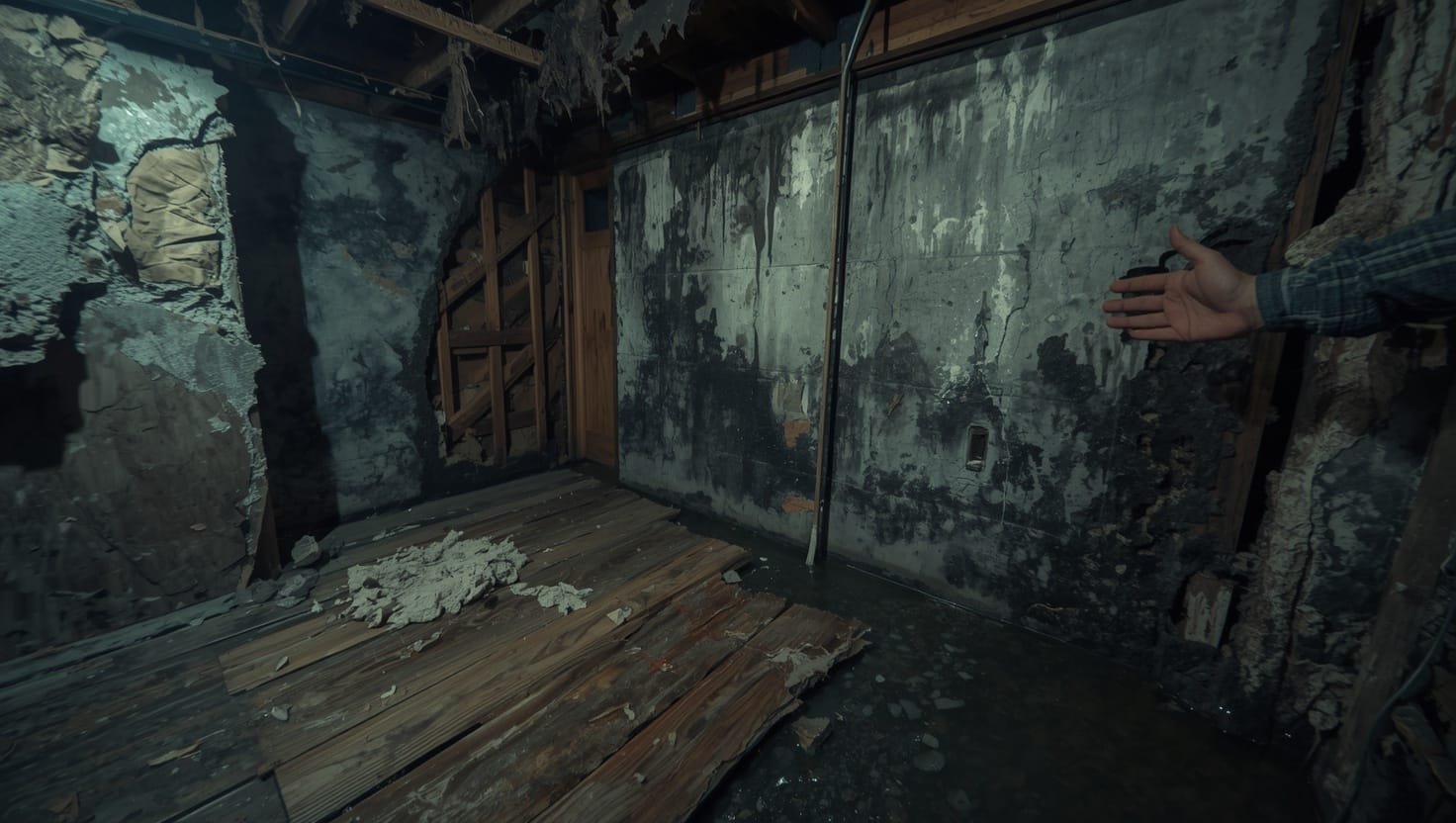
What Happens After the Water Stops: The Hidden Damage You Can’t See
The rain stops. The water recedes. You think you’ve dodged a bullet.
Then, three days later, you smell something. Not water—something else. Something musty. Something wrong.
This is where most homeowners make their biggest mistake. They see the standing water is gone and assume the crisis is over. It’s not. The real damage is just getting started, and it’s happening inside your walls, under your flooring, and in places you can’t reach with a mop.
After a basement floods—even partially—moisture gets trapped in materials that can’t dry on their own. Drywall absorbs water like a sponge. Insulation holds moisture for weeks. Wood swells and warps. And mold? It’s already colonizing, silently turning your basement into a toxic environment.
Bottom line: Water damage doesn’t end when the water drains—it escalates when you ignore what comes next.
The 48-Hour Window: Why Speed Matters More Than You Think
Mold doesn’t wait for your schedule.
It starts growing within 24 to 48 hours of water exposure. Not in a few days. Not in a week. Within two days, spores are colonizing wet materials, and your basement transforms from a water problem into a health hazard.
One Rochester homeowner learned this the hard way. His basement got about eight inches of standing water during a spring storm. He called a friend to help him mop it up over the weekend. By Tuesday morning, black mold was visible on the drywall. By the time he called JetDry for mold remediation, the contamination had spread to three walls and the HVAC system. What should’ve cost $2,000 to remediate ended up costing $12,000 because he waited.
The speed of professional water extraction and drying isn’t about convenience—it’s about stopping the clock on mold growth before it starts.
When you call a water damage team like JetDry within the first 24 hours, they bring industrial-grade equipment that extracts water from materials, not just surfaces. Dehumidifiers. Air movers. Moisture sensors that detect hidden water in walls and under flooring. They’re not just cleaning up what you can see—they’re stopping what’s developing inside.
Bottom line: Every hour after water damage matters; mold doesn’t negotiate on timing.
Structural Damage: The Silent Killer That Costs Tens of Thousands
Water doesn’t just ruin what’s visible. It attacks the bones of your house.
Wooden floor joists soak up water and start to rot. Concrete foundations crack and deteriorate. Steel beams rust. Drywall loses its structural integrity and becomes a crumbling mess. None of this happens overnight, but once it starts, it compounds fast.
A homeowner in Pittsford (just outside Rochester) had a basement that flooded about two feet during a heavy rain event. He cleaned it up himself, dried things out as best he could, and thought he was fine. Two years later, he noticed his basement floor was uneven. A professional inspection revealed that the concrete had been compromised by the water exposure, and the subfloor underneath had rotted. The repair bill? $18,000 to replace the floor system and reinforce the foundation.
If he’d called a professional water damage company immediately after the flood, they would’ve identified the moisture saturation and ensured proper drying to prevent that deterioration.
Structural damage is sneaky because it’s not always obvious. You might not see it for months or even years. But the damage is happening in real time—water weakens materials, and gravity does the rest.
Bottom line: Missed water damage turns into structural damage that costs five times more to fix.
The Mold-to-Health-Crisis Pipeline: What You’re Actually Risking
We talk about mold like it’s just a cleanup issue. It’s not.
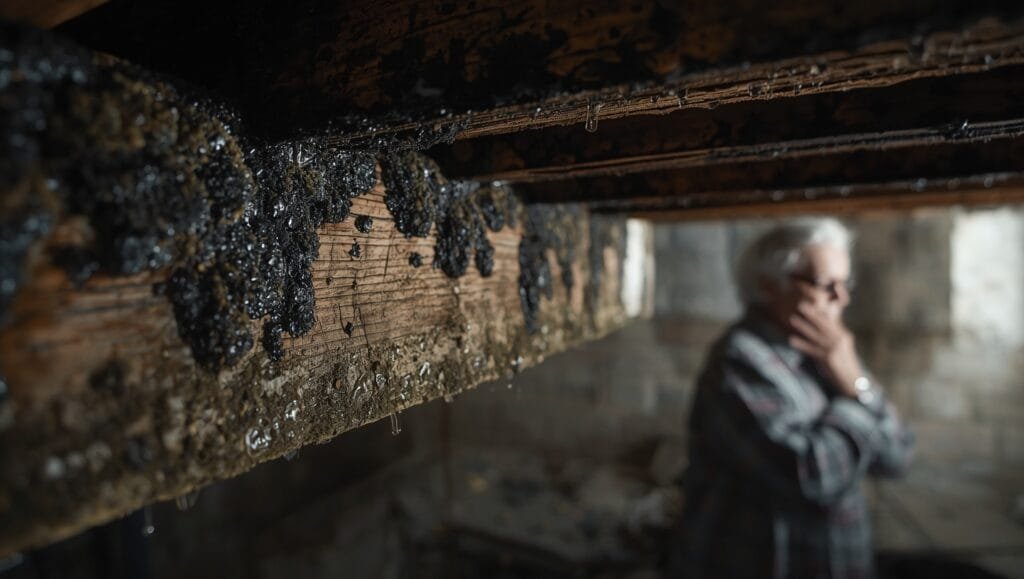
Mold releases spores into the air. You breathe them in. Your family breathes them in. For people with respiratory issues, allergies, or weakened immune systems, this isn’t just uncomfortable—it’s dangerous.
Symptoms start subtle: persistent cough, nasal congestion, itchy eyes. Then they escalate. Asthma attacks. Bronchitis. In severe cases, systemic infections. Kids are especially vulnerable because their lungs are still developing.
One family in Rochester didn’t realize their basement had mold until their daughter started having unexplained asthma attacks. The pediatrician couldn’t figure out why—her asthma had been fine before. They eventually discovered the issue: mold in the basement HVAC system was spreading spores throughout the house. The remediation took two weeks and cost $8,000, but more importantly, their daughter’s health improved within days of the mold being removed.
The health impact of mold isn’t theoretical. It’s real, it’s measurable, and it’s one of the best reasons to take water damage seriously from day one.
Bottom line: Untreated mold turns into a health crisis that costs way more than prevention ever would.
Appliances and Electrical Systems: Why Wet Basements Are Fire Hazards
Water and electricity are a dangerous mix, and your basement is full of both.
Water heaters, HVAC systems, electrical panels, furnaces—they’re all typically down there. When water reaches them, a few things can happen: they stop working (expensive), they get damaged beyond repair (very expensive), or they become fire hazards (catastrophic).
Wet electrical systems can short out and spark. Water-damaged insulation can fail. Corroded wiring becomes a fire risk. You might not see flames, but the danger is real and ongoing.
Beyond the immediate risk, flooded appliances almost always need replacement. A water heater that’s been submerged? Gone. An HVAC system that’s been exposed to floodwater? You’re looking at a full replacement, not repair. A single water heater replacement runs $1,500 to $3,000. An HVAC system? $4,000 to $8,000.
This is why emergency water damage restoration teams shut off power and gas to affected areas before they even start extraction. It’s not overcautious—it’s necessary.
Bottom line: Wet appliances and electrical systems create safety hazards and replacement costs that dwarf the original water damage.
The Contamination Factor: Floodwater Isn’t Just Water
Here’s something most people don’t think about: the water flooding your basement isn’t clean.
If it’s coming from heavy rain, it’s picking up everything in its path—soil, debris, chemicals from driveways and streets. If it’s backup from a municipal system or septic issue, it contains sewage. If it’s from a burst pipe in a contaminated area, it could carry bacteria, viruses, or worse.
When that water sits in your basement, it doesn’t just damage materials—it contaminates them. Drywall that’s been exposed to contaminated floodwater can’t always be salvaged. Carpeting can’t be cleaned and reused. Wood flooring often has to be replaced entirely.
Professional water damage teams understand contamination categories. They know what can be restored and what has to go. They also know how to disinfect and decontaminate surfaces to prevent health risks down the road.
DIY cleanup without understanding contamination risks means you could be exposing yourself and your family to pathogens you can’t see.
Bottom line: Floodwater is contaminated; improper cleanup spreads pathogens and ruins salvageable materials.
The Psychological and Financial Toll: Numbers That Hit Different
Water damage doesn’t just cost money. It costs peace of mind.
Homeowners who’ve dealt with basement flooding report months of anxiety—worrying about whether mold is growing, whether the damage is really fixed, whether it’ll happen again. Some people develop a genuine phobia of rain.
And then there’s the financial reality. We’ve touched on repair costs, but let’s be specific about what a serious flood actually costs:
- Water extraction and emergency drying: $2,000–$5,000
- Mold remediation (if needed): $2,000–$6,000
- Drywall and insulation replacement: $2,000–$5,000
- Flooring replacement (carpet, tile, wood): $3,000–$10,000
- Appliance replacement (water heater, HVAC, etc.): $5,000–$12,000
- Foundation repairs (if structural damage occurred): $5,000–$25,000
- Lost personal items, furniture, stored goods: $1,000–$10,000+
Total? You’re looking at $20,000 to $73,000+ for a serious basement flood.
Now compare that to what professional prevention and rapid response costs. A sump pump system with battery backup: $1,500. Professional water extraction and drying within 24 hours: $2,500. Mold prevention treatment: $500. Total: about $4,500, and your basement stays dry.
That’s not a cost—that’s insurance.
Bottom line: Prevention costs thousands; water damage costs tens of thousands plus your sanity.
When Professional Help Becomes Non-Negotiable
There’s a tipping point where DIY cleanup stops being an option and becomes dangerous.
If your basement has more than a few inches of standing water, you need professionals. If the water came from a backed-up sewer or contaminated source, you need professionals. If you see any sign of mold growth, you need professionals. If the water has been sitting for more than a few hours, you need professionals.
Why? Because professional teams have equipment you don’t. Industrial-grade water extractors pull water from materials, not just surfaces. Dehumidifiers and air movers work 24/7 to remove moisture from the air and walls. Moisture detection equipment finds water hiding inside walls and under flooring where you can’t see it.
They also have the training to assess what can be saved and what needs to be removed. They understand contamination protocols. They know how to prevent mold before it starts. They can document everything for insurance purposes.
Walt Latuik and the team at JetDry have responded to thousands of water damage emergencies in the Rochester area. They’ve seen every scenario—from minor seepage to total basement floods. They know what works because they’ve done it hundreds of times.
The difference between calling them immediately versus waiting? Usually about $10,000 to $30,000 in additional damage.
Bottom line: Professional water damage response isn’t a luxury—it’s the difference between recovery and catastrophe.
FAQ: Questions Homeowners Ask After Basement Flooding
How long does it take for mold to grow in a flooded basement?
Mold can start growing within 24 to 48 hours of water exposure. Spores are airborne and colonize damp materials almost immediately, so speed in drying and decontamination is critical.
Can I claim water damage from heavy rain on my homeowner’s insurance?
Standard homeowner’s insurance doesn’t cover basement flooding from heavy rain or groundwater. You’d need separate flood insurance through the National Flood Insurance Program (NFIP) or a private insurer, and even that has limits and waiting periods.
What’s the difference between water damage restoration and water damage cleanup?
Cleanup removes visible water and debris. Restoration includes extraction, drying, decontamination, mold prevention, and structural repairs. Restoration is what actually stops secondary damage.
Should I try to dry out my basement myself after a flood?
For minor seepage, some DIY drying is possible. For standing water or contaminated water, professional extraction is necessary—DIY drying won’t reach moisture trapped in walls, under flooring, and in materials, which leads to mold and structural damage.
How much does professional water damage restoration cost?
It depends on the severity. Minor seepage cleanup: $500–$1,500. Moderate basement flooding: $2,500–$8,000. Severe flooding with structural damage: $10,000–$50,000+. Emergency response within 24 hours usually costs less than waiting.
Your Next Move: Don’t Wait for the Next Storm
If you’re reading this after a flood has already happened, the clock is ticking. Every hour that passes increases mold risk, structural damage, and contamination spread.
If you’re reading this before a flood happens, you’re in the right place. Prevention, proper drainage, sump pump systems, and battery backups—they all work. But they only work if you act on them now, not when rain is falling.
Walt Latuik and the JetDry team in Rochester have spent over 20 years helping homeowners recover from water damage. They’re available 24/7 for emergencies—nights, weekends, holidays. They respond fast, they work thorough, and they actually care about saving your home.
Whether you need emergency water extraction right now or you want to set up prevention strategies before the next heavy rain, contact JetDry now. Get a professional assessment of your flood risk. Learn what you can do to protect your basement. And if water’s already there, get help fast—because every hour matters.
Your basement is too important to leave to chance. Call JetDry today.
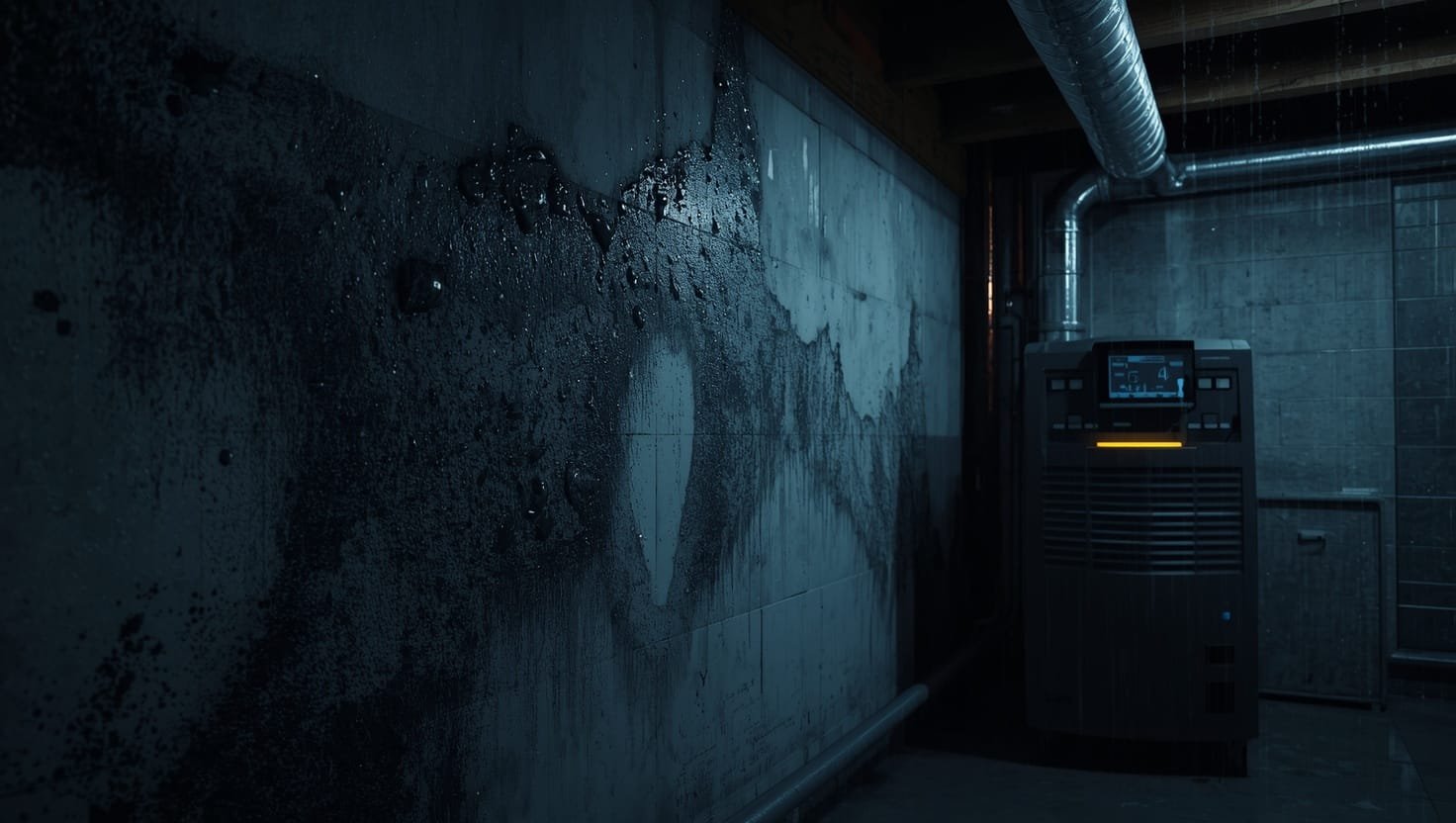
Your Basement’s Silent Killer: What’s Growing Right Now While You Sleep
You can’t see it.
You can’t smell it yet.
But it’s there—multiplying in the dark, damp corners of your basement where water once pooled.
This is what happens after the flood recedes and everyone tells you the crisis is over.
They’re wrong.
The real damage isn’t measured in gallons of water or ruined carpet—it’s measured in spore counts, structural integrity, and how much of your home’s foundation is actively decomposing right now.
Learning how to prevent basement flooding during heavy rain is critical, but what comes after is where most homeowners get blindsided.
The water’s gone, but the threat remains.
And if you’re not watching for the right signs, you’ll miss the window to stop it before it becomes catastrophic.
Bottom line: Water damage doesn’t end when water drains—it accelerates when ignored.
The Sneaky Timeline: What’s Actually Happening in Your Walls Right Now
Let’s talk about the clock that starts ticking the moment water touches your foundation.
Hour 1–4: Water’s still visible. You can see it, pump it out, maybe even convince yourself you’ve got it handled.
This is the window where DIY cleanup might actually work.
Hour 8–24: Water’s soaking into materials now. Drywall’s absorbing it like a sponge. Insulation’s becoming waterlogged. Wood framing’s swelling. You still can’t see most of this, but it’s happening.
Hour 24–48: Mold spores start colonizing wet surfaces. Not visible yet, but chemically, your basement is becoming a petri dish. The smell might start—that musty, earthy odor that means mold’s already winning.
Day 3–7: Visible mold appears on walls and surfaces. Structural materials are losing integrity. Drywall becomes papery and weak. Wood starts to rot. Electrical systems are developing rust and corrosion.
Week 2+: Mold spreads to HVAC systems, crawl spaces, and behind walls. Structural damage compounds. The cost to fix this just multiplied by 5–10x.
One homeowner in Rochester called Walt at JetDry on a Monday morning after discovering water in her basement over the weekend.
She’d spent Sunday trying to dry it out herself with a wet-vac and fans.
By Monday, mold was visible on two walls.
Walt’s team came in, extracted water from deep inside the walls using moisture detection equipment, ran industrial dehumidifiers for 72 hours straight, and applied mold-prevention treatments.
Total cost: $3,200.
If she’d waited another week? The estimate would’ve been $18,000 for full mold remediation and drywall replacement.
Bottom line: Every 24 hours of wet basement costs exponentially more to fix.
Why Your Sump Pump Isn’t Enough (And What Else You Need)
A sump pump is great—it moves water out.
But it’s not a complete defense system.
Most sump pumps handle water that’s already in the pit.
They don’t prevent water from getting into materials in the first place.
They don’t manage moisture that’s been absorbed into drywall and insulation.
And here’s the kicker—if your pump fails during a heavy rain (which happens more than you’d think), it’s not pumping anything.
The real protection comes from a layered approach:
Sump pump + battery backup: Your first line stops water from pooling. The battery backup keeps it running when power fails during storms. This alone prevents 70% of basement flooding issues.
Perimeter drain system: Catches water before it ever reaches your sump pit. If these are clogged (and they often are), water pools against your foundation regardless of how good your pump is.
Interior or exterior waterproofing: For homes with persistent moisture or seepage, this creates a barrier that stops water intrusion at the source. It’s more expensive upfront but saves thousands in long-term damage.
Dehumidification: This is the one most people skip—and it’s a mistake. Even after water’s extracted, humidity lingers. A good dehumidifier pulls moisture from the air and materials, preventing mold from ever getting started. Professional-grade units run 24/7 and actually work.
One homeowner installed a sump pump but skipped the dehumidifier.
After a flood, the water was pumped out in hours.
But the basement stayed humid for weeks.
Mold started growing in the corners where the dehumidifier would’ve caught it.
He ended up spending $6,000 on mold remediation that a $400 dehumidifier would’ve prevented.
Bottom line: Sump pumps move water; dehumidifiers prevent the damage that follows.
The Moisture Meter Test: Why Guessing Gets You Flooded
Here’s what most people do after water damage: they look at the basement, don’t see standing water, and assume it’s dry.
They’re operating blind.
Moisture doesn’t leave just because you can’t see it.
It hides inside drywall, under flooring, deep in insulation, and behind baseboards.
A wet basement might look dry on the surface while still holding 50% moisture content in the walls—the perfect environment for mold.
Professional water damage teams use moisture meters.
These devices measure moisture content in materials and tell you exactly what’s still wet.
A reading above 16% in most materials means mold risk is high.
Above 20%? Mold’s probably already started.
Without a moisture meter, you’re guessing.
And guessing wrong costs money.
JetDry uses commercial-grade moisture detection equipment that scans walls, flooring, and hidden spaces.
It tells them exactly where water’s hiding and how much drying time is needed.
This prevents the “we thought it was dry” scenario that leads to mold discovery three months later.
You can rent a basic moisture meter for $30–$50 a day from hardware stores.
If you’ve had water damage, it’s worth the rental cost to know for sure that your basement is actually dry.
A reading above 16% means you need professional drying equipment running longer, not just hoping.
Bottom line: Moisture meters reveal hidden water that your eyes can’t see—and mold can’t hide from.
The Vapor Barrier Myth: Why Plastic Sheeting Backfires
After water damage, some people throw plastic sheeting on the floor to “seal” the moisture.
This is backwards thinking, and it’ll cost you.
Plastic sheeting traps moisture underneath it.
It prevents evaporation, which means moisture stays concentrated in materials longer.
Mold loves this—it’s like creating a greenhouse for spores.
What actually works is the opposite: you need airflow and dehumidification.
Industrial air movers create circulation.
Dehumidifiers pull moisture from the air and materials.
Together, they actively remove moisture instead of trapping it.
One homeowner in Pittsford covered his wet basement floor with plastic to “protect” it while he waited for a contractor.
He waited two weeks.
When the contractor arrived, the plastic had trapped so much moisture that mold was growing on the underside of the plastic and throughout the basement.
The remediation cost jumped from an estimated $3,000 to $9,000 because of the plastic.
If he’d opened windows, run fans, and used a dehumidifier instead, the damage would’ve stopped.
Bottom line: Plastic traps moisture; airflow and dehumidification remove it.
Insurance Won’t Save You Here—But Action Will
Let’s be real about what your homeowner’s insurance actually covers after basement flooding.
Standard policies don’t cover flooding from heavy rain, groundwater, or sump pump failure.
That’s not a loophole—it’s written in deliberately.
You’d need separate flood insurance from the National Flood Insurance Program (NFIP), and even that has waiting periods, deductibles, and limits.
Most people don’t have flood insurance.
Even if they do, they’re often underinsured.
This means your real protection isn’t insurance—it’s prevention and fast response.
When you call JetDry for emergency water damage restoration in Rochester, NY, you’re not waiting on an insurance adjuster.
You’re stopping the damage clock immediately.
Walt and his team have worked with insurance companies for over 20 years.
They know what’s covered and what’s not.
They also know that the faster they respond, the less damage there is to dispute with your insurer anyway.
Bottom line: Insurance doesn’t cover most basement flooding—prevention and fast response do.
The Crawl Space Wildcard: Where Water Damage Gets Sneaky
If your home has a crawl space, water damage there is a whole different beast.
Crawl spaces are dark, damp, and often forgotten.
They’re also where water collects when it can’t go anywhere else.
A flooded crawl space means moisture is wicking up into your home’s subfloor, insulation, and rim joists—the structural beams that hold your house up.
Once crawl space moisture reaches 60% relative humidity, mold starts.
Once it hits 80%, you’ve got serious structural rot happening.
Most homeowners don’t know their crawl space is soaked until they start noticing soft spots in their floor or a musty smell throughout the house.
The cost to remediate a moldy crawl space?
$3,000–$8,000 depending on how bad it is.
The cost to prevent it with proper drainage and dehumidification?
$500–$1,500.
One homeowner in Rochester ignored a wet crawl space for three years.
When he finally had it inspected, the rim joists were rotting and the subfloor was compromised.
The repair bill was $22,000 to replace structural components and treat the mold.
Bottom line: Wet crawl spaces rot your home’s foundation—invisibly and fast.
The Personal Items Nobody Talks About
Okay, so the physical damage is bad.
But here’s what really hits people: the irreplaceable stuff.
Photos, documents, heirlooms, kids’ artwork, family memories stored in the basement—water destroys all of it.
And it happens fast.
Wet photographs start degrading within hours.
Important documents become illegible.
Mold spores colonize fabric and paper, making things permanently unusable.
You can’t insurance your way out of this.
No adjuster can replace your daughter’s baby photos or your grandmother’s quilts.
This is why moving valuables to higher shelves before heavy rain is so critical.
And if flooding does happen, prioritizing what gets dried first matters.
Professional restoration teams know which items can be saved with fast drying and which ones are already gone.
Bottom line: Irreplaceable items are gone in hours—move them up or lose them.
What Professionals See That You Don’t
When JetDry’s team walks into a water-damaged basement, they’re not just looking at what’s visible.
They’re assessing moisture patterns, material saturation, contamination risks, and mold potential.
They check for:
Hidden moisture in walls: Using thermal imaging and moisture meters to find water trapped behind drywall where you can’t see it.
Contamination type: Whether it’s clean water (burst pipe), gray water (appliance overflow), or black water (sewage backup)—each requires different treatment.
Airflow patterns: Understanding how to position equipment so drying actually happens, not just fans blowing wet air around.
Material salvageability: Knowing which items can be restored and which need to be removed to prevent mold spread.
Secondary damage risk: Identifying what’s about to fail—like electrical systems about to corrode or insulation about to lose its R-value.
This assessment takes experience.
It’s not something you can learn from a YouTube video.
Bottom line: Pros see damage you can’t—and stop problems before they multiply.
FAQ: Your Real Questions About Basement Flooding Answered
How long does it take mold to grow after water damage?
Mold can start growing within 24 to 48 hours of water exposure.
Spores colonize damp materials almost immediately, so speed in extraction and drying is critical to prevention.
Can I just use fans and open windows to dry out my basement?
Fans and windows help, but they’re not enough for serious water damage.
Professional dehumidifiers and air movers work together to pull moisture from materials and the air—something household fans can’t do effectively.
What’s the difference between water extraction and drying?
Extraction removes standing water using pumps and vacuums.
Drying removes moisture from materials using dehumidifiers and air movers—this is what prevents mold and structural damage.
Will my homeowner’s insurance cover basement flooding?
Standard homeowner’s insurance doesn’t cover flooding from heavy rain or groundwater.
You’d need separate flood insurance, which has waiting periods and limits.
How much does professional water damage restoration cost?
It depends on severity—minor seepage might run $500–$1,500, moderate flooding $2,500–$8,000, and serious damage with mold $10,000–$50,000+.
Fast response usually costs less than waiting.
The Real Cost of Waiting vs. Acting Fast
Let’s break down what happens when you delay:
Day 1 response: Water extraction + dehumidification + mold prevention treatment = $2,500–$4,000. Basement saved. No mold. No structural damage.
Week 1 response: Water extraction + extensive drying + mold remediation on visible growth + drywall replacement = $6,000–$12,000. Some structural concern. Possible health impact.
Month 1+ response: Water extraction + full mold remediation + drywall/insulation/flooring replacement + structural repairs + possible foundation work = $15,000–$50,000+. Serious structural damage. Health hazard. Months of remediation.
The difference between a $3,000 fix and a $40,000 disaster is usually just 48 hours.
Bottom line: Fast action saves thousands; delays cost tens of thousands.
Your Next Move: Stop Guessing, Start Protecting
If you’ve had water in your basement—even a little bit—don’t assume it’s handled.
Get a professional assessment.
Have them check moisture levels, scan for hidden water, and assess mold risk.
If water’s there right now, don’t wait.
Every hour matters.
Walt Latuik and the team at JetDry’s mold remediation services in Rochester, NY respond to emergencies 24/7—nights, weekends, holidays.
They’ve been doing this for over 20 years.
They know what works, they move fast, and they actually care about saving your home.
Contact JetDry now for a free assessment of your water damage risk or to get emergency help today.